Algeria Emerges as Europe’s Top Naphtha Supplier Amidst Global Trade Shifts
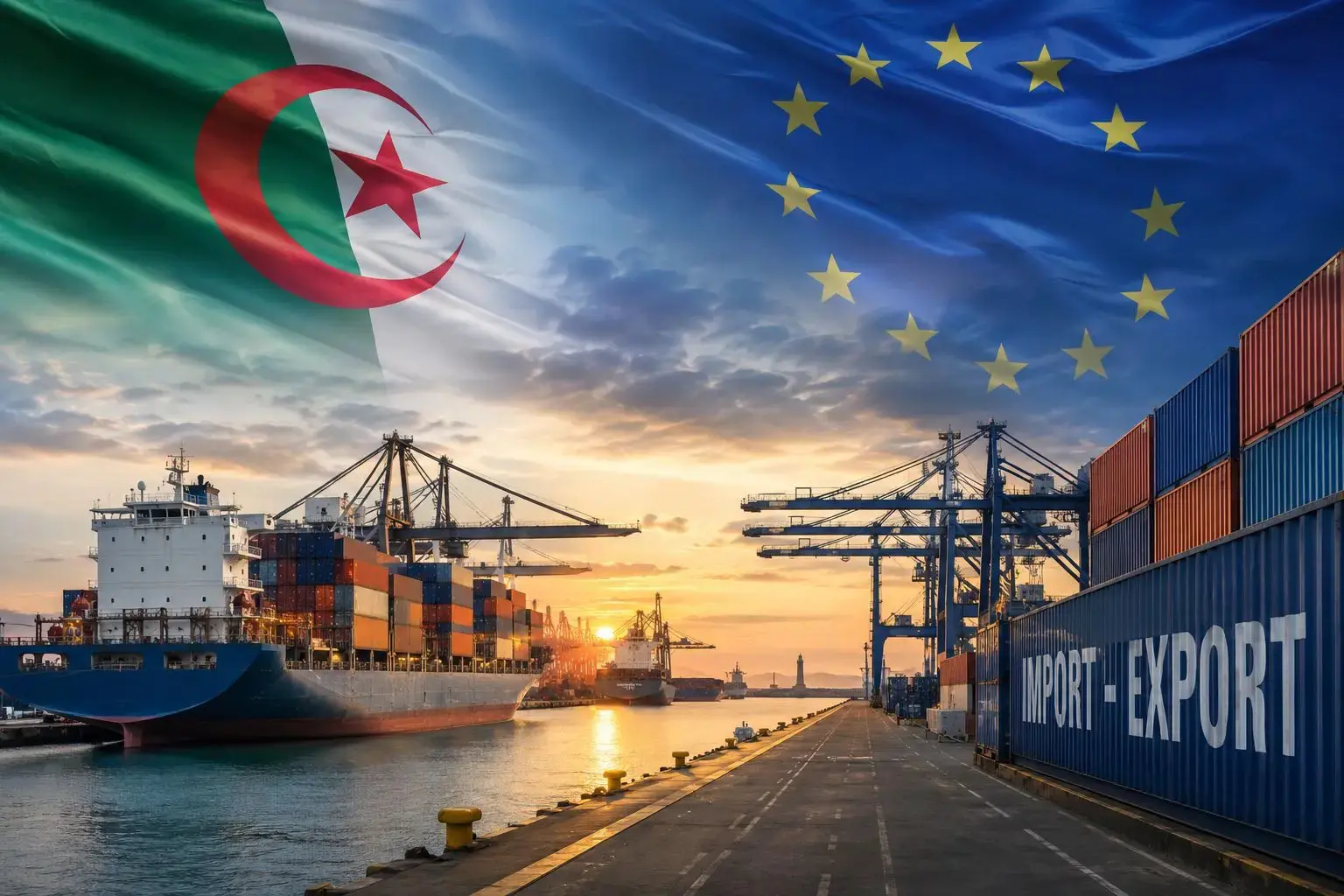
Algeria significantly boosted its naphtha exports to Europe in July 2026, delivering 397,400 tonnes in a single month. This substantial volume positioned Algeria as the premier supplier to the European market, surpassing competitors such as Italy, Spain, and the United States. The 397,400 tonnes exported in July marked the highest monthly level recorded by the country since May 2025, contributing to Europe's overall increase in naphtha imports, which reached 1.74 million tonnes that month from 1.25 million tonnes in June.
This progression for Algeria is attributed to several factors, including its strategic geographical proximity to the European market. With ongoing tensions in the Middle East and disruptions to maritime routes, such as those impacting navigation in the Red Sea and the Strait of Bab-el-Mandeb, longer shipping distances via the Cape of Good Hope have become necessary for some vessels. Algeria's location provides a logistical advantage, enabling it to supply Mediterranean countries more directly. Consequently, a portion of Algerian naphtha volumes previously directed towards Asia was reoriented to meet European demand, directly contributing to the notable increase in deliveries recorded for July.
Beyond the European market, Algeria's naphtha exports to Asia also saw a substantial increase in July, rising from 292,000 tonnes in June to 441,000 tonnes. This surge reflects a sustained international demand for the product, with countries like Japan reportedly expressing heightened interest in Algerian naphtha, with an aim to triple their imports from Algeria. The nation currently exports nearly one million tonnes of naphtha annually and is recognized as a major exporter in the Arab world. To further enhance its capabilities, Sonatrach, Algeria's national energy company, plans a new project to increase naphtha production capacity by an announced 738,000 tonnes, reinforcing Algeria's diversifying energy export portfolio, which already includes crude oil, natural gas, LNG, and LPG.