Algeria Approves Strategic AI Roadmap for Technological Sovereignty
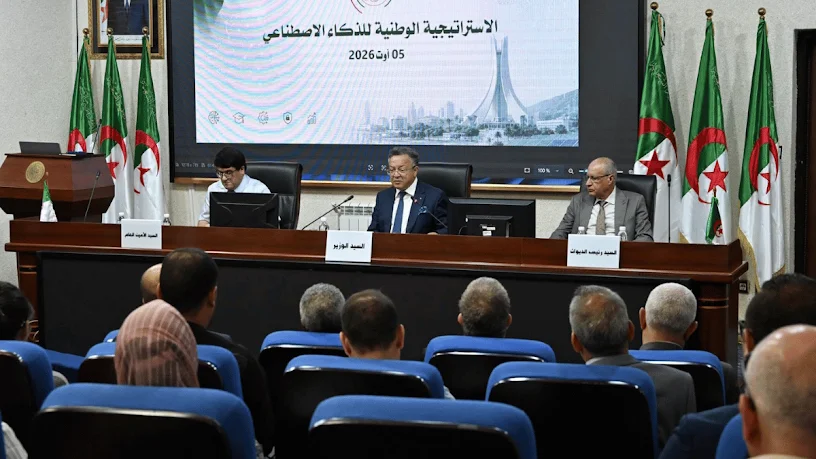
Algeria has officially approved a joint inter-ministerial roadmap designed to deploy artificial intelligence across its public services. This comprehensive plan is founded on sovereign open-source AI models, domestic high-performance computing capabilities, and national data storage, marking a strategic commitment to technological independence. Minister of Higher Education and Scientific Research, Kamel Baddari, affirmed that the deployment prioritizes these foundational elements, along with robust safeguards for public-sector applications. A dedicated joint monitoring committee has been established to ensure the effective implementation of the roadmap according to a set timeline.
This distinct approach, centered on sovereign open-source models, sets Algeria apart from other AI programs in the region. The nation's position emphasizes open-source models that can be hosted, inspected, and modified domestically, utilizing nationally owned computing resources, and ensuring data storage remains within national borders. Minister Baddari has articulated that this objective is crucial for building a knowledge-based economy, guaranteeing "sovereignty and mastery of technologies," and significantly reducing reliance on foreign vendor ecosystems.
Supporting this ambitious roadmap is a robust talent development pipeline that Algeria has been cultivating for several years. Recently, the National Higher School of Artificial Intelligence celebrated the graduation of its first cohort of 105 students. This aligns with a government target to train 30,000 AI engineers by 2030, a goal within a broader aspiration to produce 500,000 ICT specialists over the same period. Algerian universities now offer 74 master's programs in artificial intelligence across 52 institutions, catering to 57,702 students and producing over 10,000 STEM graduates annually. Intensive training programs, a dedicated scientific research center, and specialized research units are being introduced to translate research into industrial applications, further bolstered by the launch of Algeria's first AI and cybersecurity startup cluster at the Sidi Abdellah technology hub and CERIST's Deeptech Innovation Hub.
The inter-ministerial roadmap serves as a pivotal step, shifting the National AI Strategy—which defines six pillars including research and innovation, skills development, and infrastructure investment—from formulation to execution. This strategic move positions computing infrastructure, local talent, and sovereign data as the essential foundations for achieving Algeria's technological independence. The government's review of progress on the National AI Strategy in May, alongside the launch of the Dzair Digital Services portal, underscores the nation's proactive efforts in digital transformation and technological advancement.