

National Pharmaceutical Sector Covers 82% of Medicine Demand
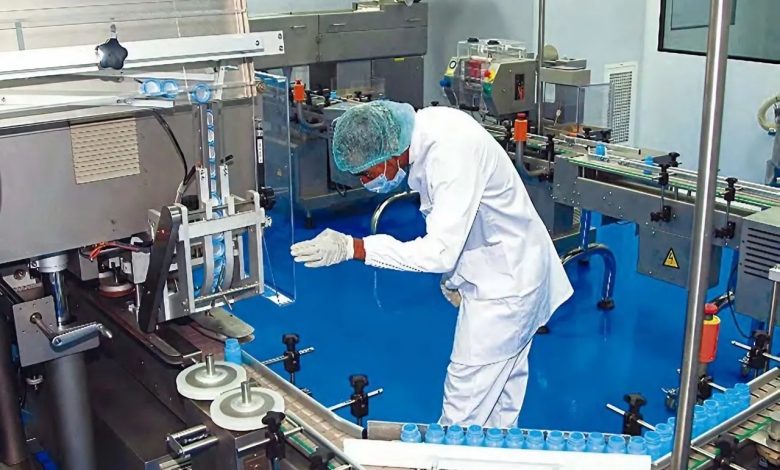
Algeria's pharmaceutical industry now covers 82% of the national medicine requirements, supported by 230 local establishments. This significant achievement is seen as a crucial step towards consolidating the nation's pharmaceutical sovereignty and securing its domestic health needs. The country's industrial and regulatory strengths are being leveraged to further enhance self-reliance in this vital sector.
The creation of a dedicated Ministry of Pharmaceutical Industry in 2020 marked a strategic step in specializing the sector's governance, improving coordination among regulatory, registration, and control bodies. Algerian manufacturers currently produce a range of complex medications, including anti-cancer drugs, biosimilars, insulin, and injector pens. Future development targets include vaccines, hormones, and various medical devices, aiming to deepen industrial integration and expand beyond meeting national market demands.
To advance its pharmaceutical capabilities and foster exports, Algeria is strengthening its regulatory framework and working towards achieving the World Health Organization's (WHO) Maturity Level 3. This recognition is anticipated to provide a significant advantage for the Algerian regulatory system and open new international markets for its manufacturers. Furthermore, Algeria plans to enhance pharmaceutical exchanges with African nations, cooperating on regulatory harmonization with the African Medicines Agency to facilitate product circulation and mutual recognition of standards across the continent.
One Comment