Martian Rock Found in Algeria Reveals Planetary Past
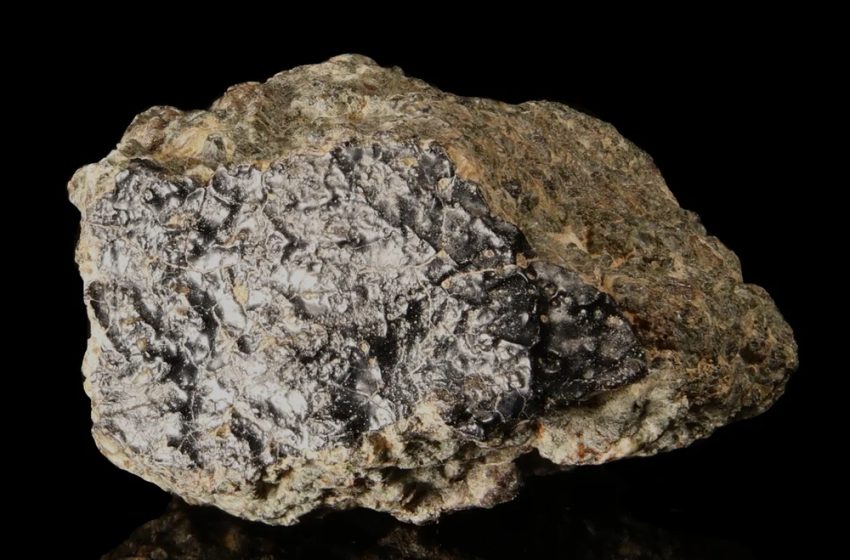
A recent scientific study has unveiled crucial new information regarding the geological history of Mars, made possible by a Martian meteorite found in Algeria. The meteorite, known as NWA 13441, was collected from the Tindouf region in 2019. Its subsequent detailed scientific analyses have revealed exceptional characteristics, providing a significant contribution to planetary science.
Published in the journal Geochimica et Cosmochimica Acta, the study indicates that NWA 13441 is approximately 1.27 billion years old, positioning it as vital evidence for a period that remains sparsely represented in Mars' geological record. Belonging to the shergottite family, a category of volcanic meteorites formed from molten rock within Mars, this sample is particularly significant as it is the first of its kind to offer insights into this specific era of the Red Planet's geological timeline.
Further isotopic analyses of NWA 13441 demonstrated a distinct neodymium composition, bearing similarities to primitive materials that originated approximately 4.56 billion years ago during the early formation of the solar system. Researchers suggest that these characteristics can provide information about materials that existed deep within Mars from its very nascent stages.
Geochemical data also indicate that the meteorite may have originated from deep within Mars' mantle, the layer beneath its crust, thereby aiding scientists in studying the planet's internal structure and past volcanic activity. Unlike Earth, Mars lacks active tectonic plates that constantly change its surface, which has allowed some internal areas to preserve their chemical fingerprints for long periods. This discovery, enabled by a find in the Algerian desert, offers a rare opportunity to study ancient materials preserved within the planet, enhancing global understanding of planetary evolution and the formation of rocky planets.