Algiers Agreement Continues to Stabilize Global Oil Market
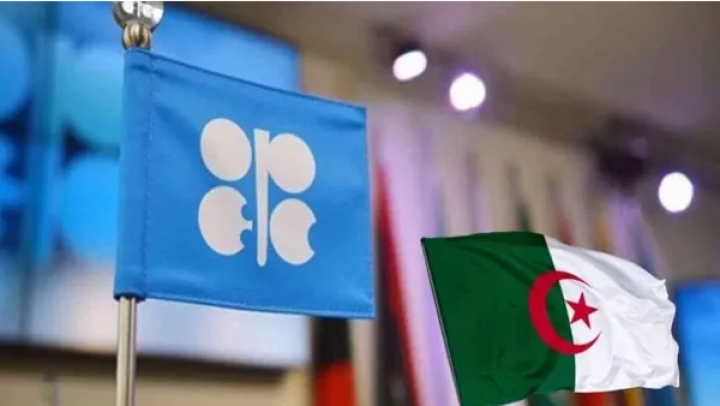
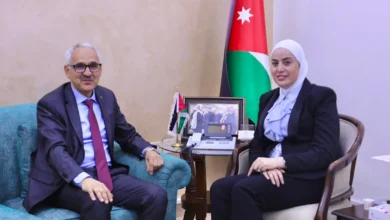
The Algiers Agreement, reached in the Algerian capital in September 2016, continues to be of significant importance for the stability of global oil markets. Haitham Al Ghais, Secretary General of the Organization of the Petroleum Exporting Countries (OPEC), emphasized the accord's lasting relevance during a recent visit to Algiers, where he met with Algerian President Abdelmadjid Tebboune. This sentiment was echoed by Soufiane Omejida, an economic researcher at the Organization of Arab Petroleum Exporting Countries (OAPEC), who highlighted the agreement's role in enabling OPEC to regain its active oversight of market developments and strengthen cohesion among major producers.
The agreement is widely regarded as historic, having been forged at a time when the global oil market faced severe challenges. It notably paved the way for a significant decision to cut production, one of the most prominent reductions since the 2008 economic crisis. This accord established an exceptional framework for cooperation among major oil producers, both within and outside of OPEC, enabling them to coordinate efforts and work collectively. The positive repercussions of this cooperation have extended to producing nations, the oil sector, consumers, and the global economy.
The 2016 Algiers Agreement ushered in a new era of cooperation among producers, laying the foundational process for the establishment of the OPEC+ alliance. This alliance has since become a cornerstone of the evolving global energy landscape, contributing to the restoration of balance and stability in the world oil market. Secretary General Al Ghais stressed that market stability is built not only on data but also on confidence, robust mechanisms, and the collective will of nations to unite during critical periods, underscoring that the necessity for dialogue remains more vital than ever.