Health Diplomacy Targets Training, Digitalization with Saudi Arabia
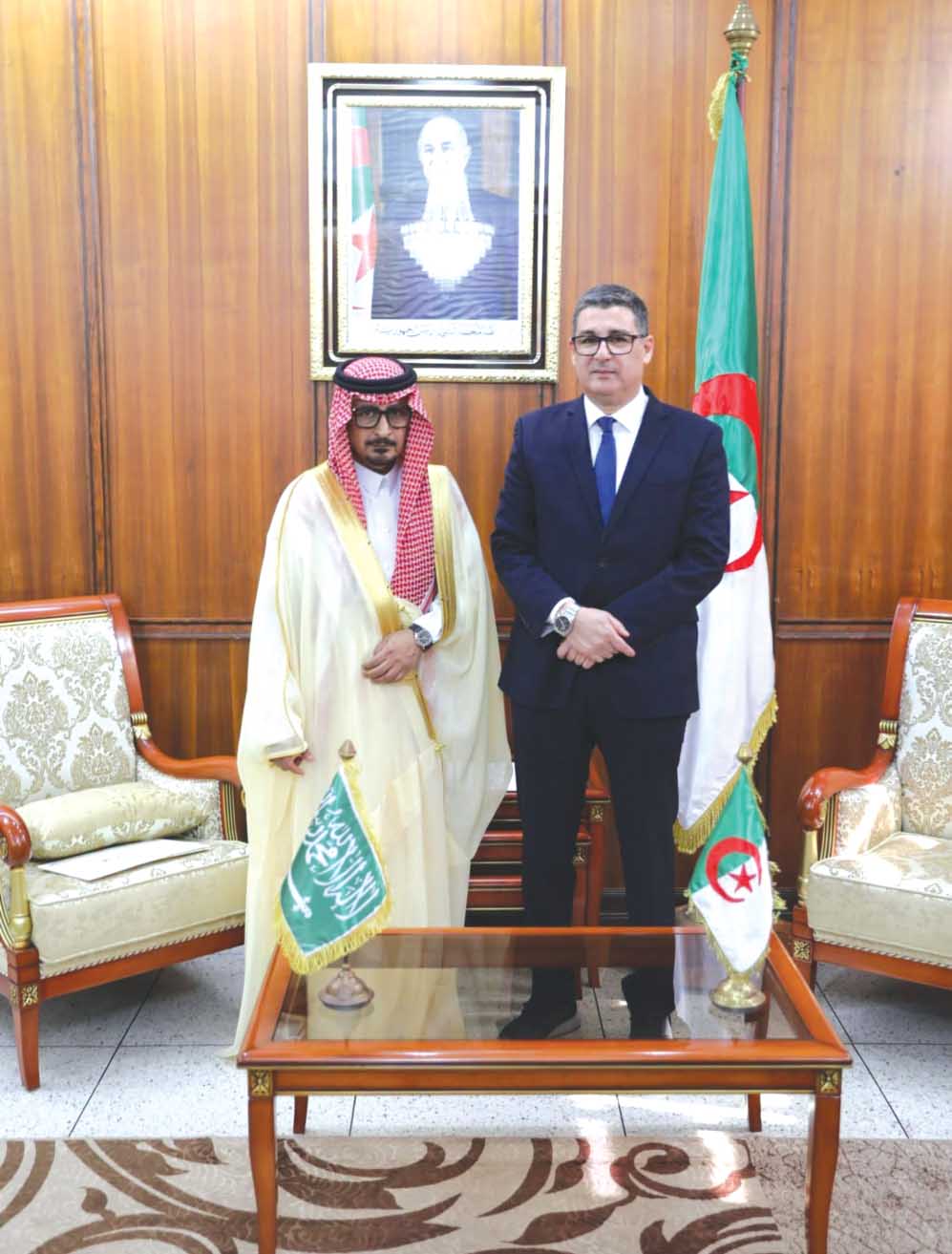
Algeria's Minister of Health, Professor Mohamed Siddiq Ait Maassoudan, recently held discussions with the Saudi Arabian Ambassador to Algeria. The meeting centered on advancing cooperation in the health sector, with a particular focus on exchanging expertise and experiences between the two nations. This engagement seeks to strengthen bilateral partnership, enhance coordination, and elevate the overall performance of the health sector in both countries.
This bilateral exchange is framed within the context of "health diplomacy," recognized globally as a strategic approach to developing health systems, improving health security, and sharing successful practices. Intensified collaboration provides Algeria with an opportunity to leverage Saudi Arabia's significant advancements in health digitalization, hospital management, virtual medicine, and the application of artificial intelligence in healthcare to enhance citizen services. The partnership is expected to translate into practical programs, including continuous training for health professionals, expert and researcher exchanges, and joint scientific research initiatives across various fields such as medical biology, epidemiology, chronic diseases, digital health, and precision medicine.
Further emphasizing Algeria's commitment to global health engagement, the nation's participation in the "Invest in Health" Global Health Forum highlights its human and scientific potential for attracting new partnerships. This includes collaborations in the pharmaceutical industry, medical equipment, digital transformation, and health infrastructure development, aligning with the view that health investment is crucial for sustainable development and national health security. The two countries have also successfully cooperated on health provisions for Algerian pilgrims during Hajj, with future efforts focusing on advanced mechanisms like electronic health files and remote monitoring to continuously improve care quality. Ultimately, the success of international health cooperation is measured by its direct benefit to citizens, health professionals, and researchers, necessitating the conversion of agreements into tangible projects that advance the national health system and enhance patient care.