500,000 Kilometers of Drainage Networks Cleaned Nationally
Algeria is actively implementing its national flood prevention strategy, which was updated in 2020 with a vision extending to 2030, in response to increased heavy rainfall. This comprehensive approach includes developing prevention plans to integrate flood risk into urban planning and development policies. Between 2020 and 2023, 16 such plans were completed out of 865 identified flood-prone sites nationwide, as reported by Linda Benabderrahmane, deputy director for flood risk prevention at the Ministry of Hydraulics.
The strategy, initially developed with the European Union and approved by the government in November 2020, combines prevention plans, protection structures, network maintenance, meteorological surveillance, and enhanced risk assessment in urbanization. These prevention plans are crucial references for urban planning services, guiding construction and infrastructure projects in exposed areas. Early implementation of these plans concentrated on regions in the East and South-East, including Tébessa, Annaba, and Jijel, as well as several southern wilayas. The strategy also includes the construction of protective infrastructure, such as the Bouhdid dam in Annaba, which, upon completion, is expected to reduce water volumes in vulnerable urban sectors with its 700,000 cubic meter capacity.
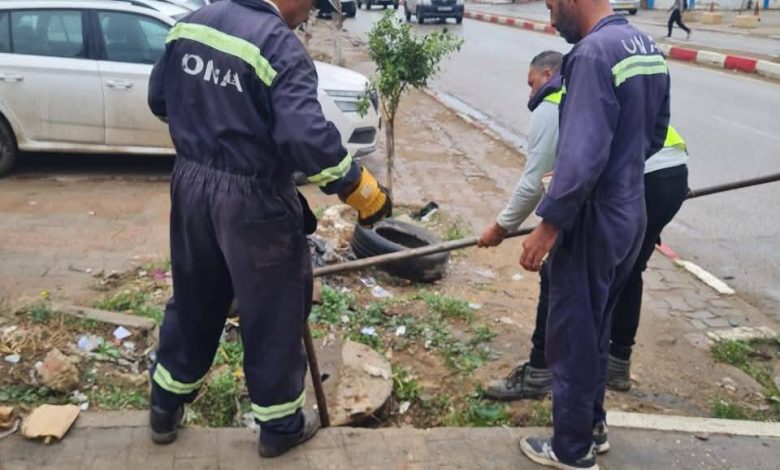
A continuous aspect of the strategy involves the rigorous maintenance of drainage networks. Operations to clean rainwater evacuation systems are conducted year-round, intensifying in August and September in preparation for the autumn and winter seasons. These efforts, mobilizing the National Sanitation Office, local communes, and hydraulics and public works departments, have resulted in the cleaning of approximately 500,000 kilometers of rainwater drainage networks. The overarching goal is not to eliminate flood risk entirely but to substantially reduce its consequences through a combination of proactive measures: anticipation, regular maintenance, strategic hydraulic structures, controlled urbanization, and the integration of risk considerations into development decisions.