Five Nations Sign Declaration for Green Hydrogen Corridor
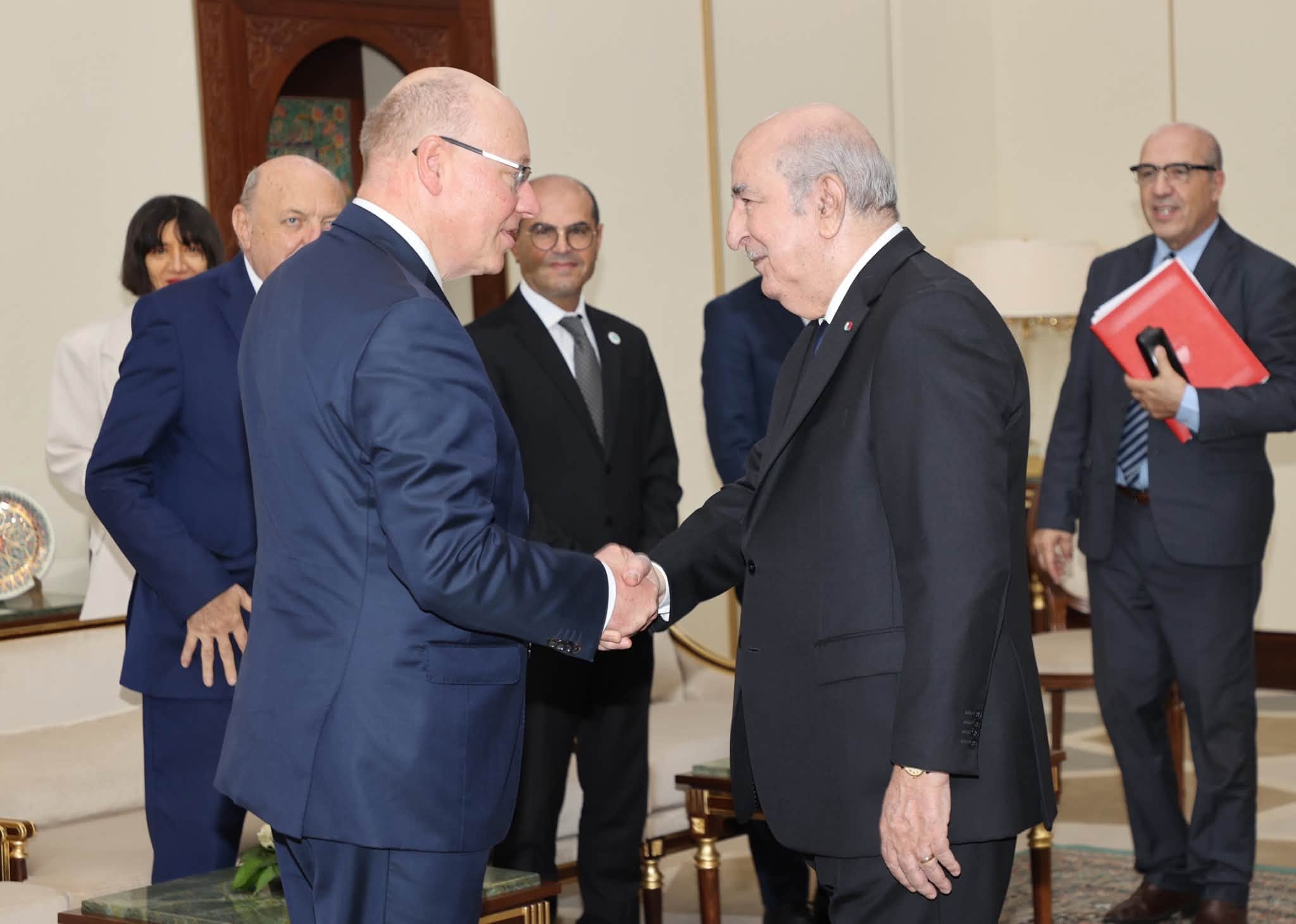
Ministers from Algeria, Austria, Germany, Italy, and Tunisia formally signed the "Declaration of Algiers" this week, marking a significant step forward for the SoutH2 Corridor green hydrogen megaproject. This declaration, adopted during the second ministerial meeting dedicated to the project, reasserts the five nations' commitment to leveraging the corridor for regional integration and cooperation in energy and industrial competitiveness. To facilitate this ambitious undertaking, a dedicated secretariat will be established with the support of the United Nations Industrial Development Organization (UNIDO), aiming to become a central platform for intergovernmental collaboration and private sector engagement.
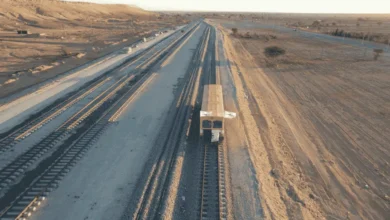
The SoutH2 Corridor is envisioned as a vital pipeline spanning approximately 3,000 to 3,300 kilometers, connecting North Africa to Europe via Tunisia, Italy, Austria, and Germany. This infrastructure plans to reuse over 65% of existing natural gas networks, a measure designed to streamline implementation. Upon completion, the corridor is projected to transport up to 4 million tons of green hydrogen annually, meeting an estimated 10% of Europe's green hydrogen demand by 2040. The ALTEH2A project, involving a consortium of Algerian companies Sonatrach and Sonelgaz with European partners VNG, Snam, SeaCorridor, and Verbund Green Hydrogen, is tasked with producing the green hydrogen in Algeria for export, with initial feasibility study results anticipated in 2027.
Algeria's Minister of Energy and Renewable Energies, Mourad Adjal, affirmed the nation's readiness to cooperate with partners to realize this initiative, underscoring Algeria's intent to maintain its central role in energy relations with Europe. This project is a cornerstone of Algeria's broader strategy to redefine its energy landscape, moving beyond its traditional role as a gas exporter. The nation is actively diversifying its energy sources by heavily investing in solar power, with a strategic target of 15,000 megawatts of photovoltaic capacity, part of which is already operational. This internal transition supports the production of green hydrogen and enables the potential for new industrial value chains, including green steel and decarbonized fertilizers.
The commitment to green hydrogen further strengthens Algeria's bilateral energy cooperation, notably with Germany. Discussions between Algerian and German officials have focused on expanding collaboration in energy, hydrogen, and renewables, fostering joint value-added projects. Earlier efforts, including President Abdelmadjid Tebboune's visit to Germany, led to Sonatrach signing memorandums of understanding with Robert Bosch and Siemens Energy for advancements in electrolyzer manufacturing, hydrogen production, maintenance, and training. Coupled with ongoing studies for an undersea electricity cable to Italy and the development of the Trans-Saharan Gas Pipeline, these multi-faceted initiatives collectively position Algeria as a critical energy bridge between African resources and European demand, ensuring a diversified and resilient energy future.