
Over 400,000 Enroll in Algeria’s October 2026 Vocational Session
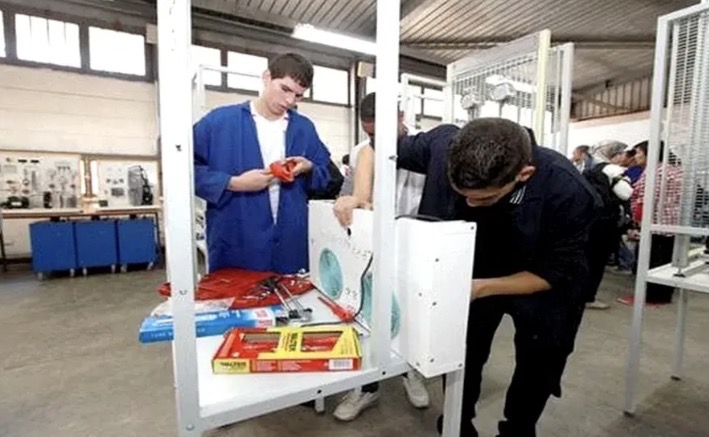
More than 400,000 trainees and apprentices have enrolled in Algeria's vocational training and education institutions nationwide for the October 2026 session. This extensive intake is distributed across over 1,100 training establishments, with a significant highlight being the introduction of 23 new specialities. These additions span crucial sectors such as renewable energies, cybersecurity, environment, quality, Industry 4.0, web development, and artificial intelligence, reflecting an adaptation to evolving economic needs and technological advancements.
The current training session marks a strategic shift with the adoption of a competency-based national training reference, moving away from a traditional list of specialities. This new approach, coupled with the digitization of registrations and monitoring, aims to enhance alignment with the demands of the employment market. It involves closer collaboration with various sectors and bodies concerned with employment and investment, including the National Employment Agency, to gather data on workforce needs. Additionally, the integration of the English language has been expanded in several technical specialities, responding to the expressed needs of economic enterprises.
In a further commitment to modernization, two integrated digital platforms, “Takwin” and “Tamhin,” have been launched within the national digital government services portal “Dzair Digital Services.” “Takwin” allows trainees to register and explore available specialities nationally and locally, while “Tamhin” strengthens the link between training institutions and the economic sector, enabling businesses to communicate their specific needs for specialities and trainee numbers. This fosters early involvement of economic partners in the training process, including practical training, internships, and the adaptation of training content. The October 2026 session also sees the creation of a specialized cinematography institute, developed in partnership with the Ministry of Culture and Arts, and the establishment of 25 new manufacturing laboratories across the country, complementing 17 existing centers of excellence. The Ministry has affirmed the provision of essential resources, including transport, catering, and accommodation, for the trainees.