Tebboune Details Balanced Global Relations, Trans-Saharan Pipeline
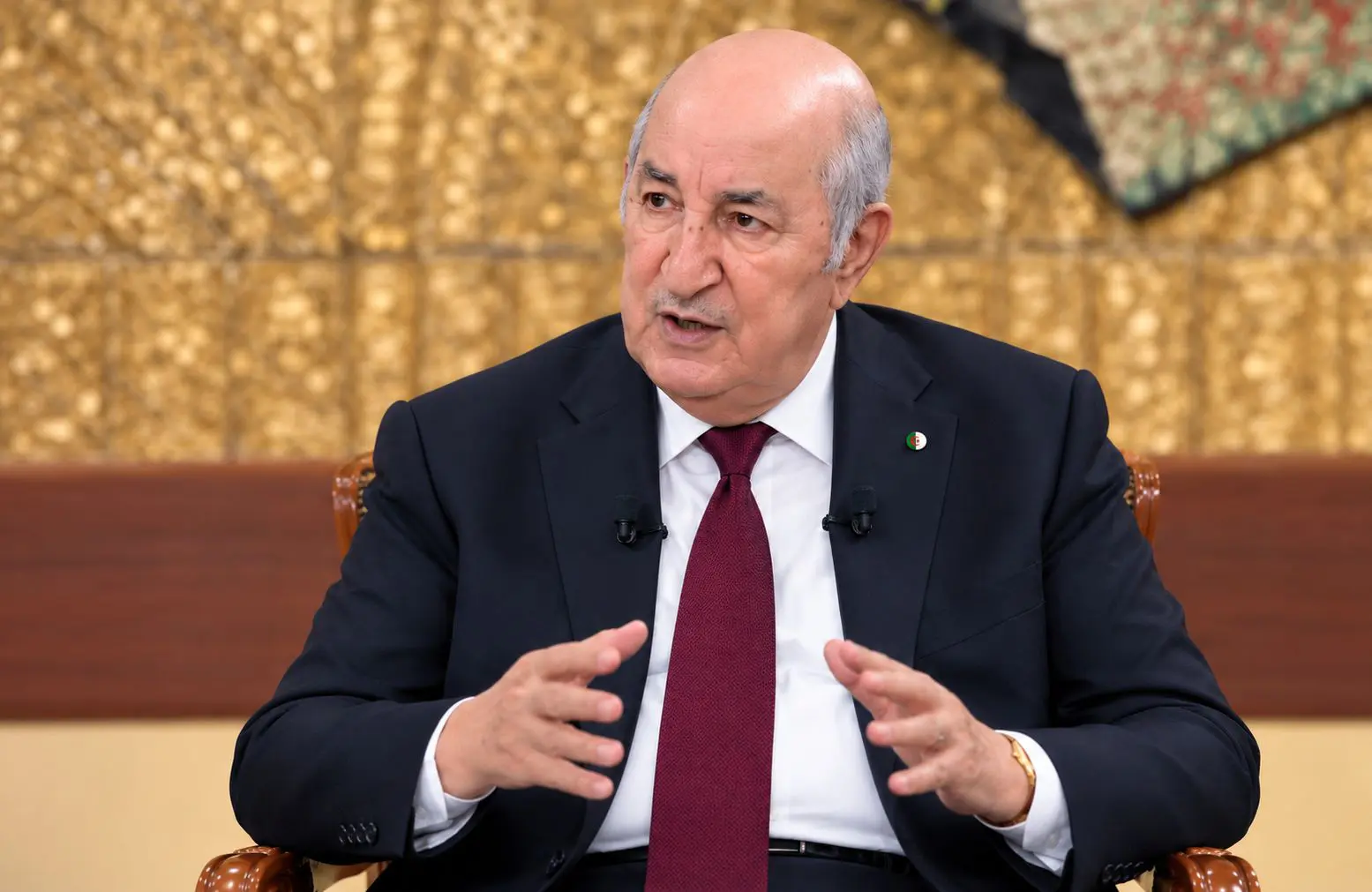
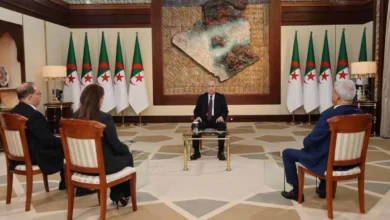
President Abdelmadjid Tebboune articulated Algeria's independent foreign policy during a periodic interview with national media, emphasizing the nation's categorical refusal to align with any single major power. He affirmed that Algeria maintains strong, mutually beneficial ties with Russia, predating national sovereignty, and stated that the country would not turn its back on Americans or Chinese, aiming for equivalent friendship and partnership with multiple global players. This balanced approach, he noted, has earned Algeria respect from major powers, enabling its ships to navigate the Strait of Hormuz without incident, underscoring its commitment to oil market stability and peace.
On regional security, President Tebboune expressed Algeria's wholehearted solidarity with Mali in its fight against terrorism in the Sahel. He recalled the past kidnapping and assassination of Algerian diplomats in Mali, attributing it to a terrorist organization backed by an unnamed foreign power. The President also highlighted Algeria's decisive action in sending military aircraft in response to a coup attempt in Niger, underscoring its commitment to regional stability and its role as a responsible nation that avoids impetuosity, a fact acknowledged by the OPEC Secretary General.
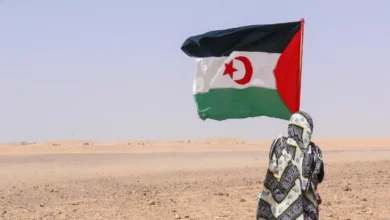
Addressing the Western Sahara conflict, President Tebboune reiterated Algeria's consistent position: "We are no more Sahrawi than the Sahrawis," signaling Algeria's readiness to endorse any solution chosen by the Sahrawi people. He firmly stated that no external pressure would compel the Sahrawi people to accept a resolution that would negate their existence. Algeria, along with Mauritania, serves as an observer in the UN Security Council's pursuit of a compromise agreeable to both the Polisario Front and the Kingdom of Morocco, providing its viewpoint when consulted by partners such as the United States.
Furthermore, the President highlighted the significant progress of the Trans-Saharan pipeline project, spanning 4500 kilometers from Nigeria through Niger to Algeria and on to Europe. He underscored its importance as an African initiative designed to benefit Nigeria and Niger, with Algeria serving as a transit country. With only approximately 1000 kilometers remaining in Niger to connect the pipeline to Algeria's national network, this project exemplifies Algeria's constructive engagement in fostering economic ties and stability across the continent.