Minister Hattab Calls for Enhanced Site Safety Interventions
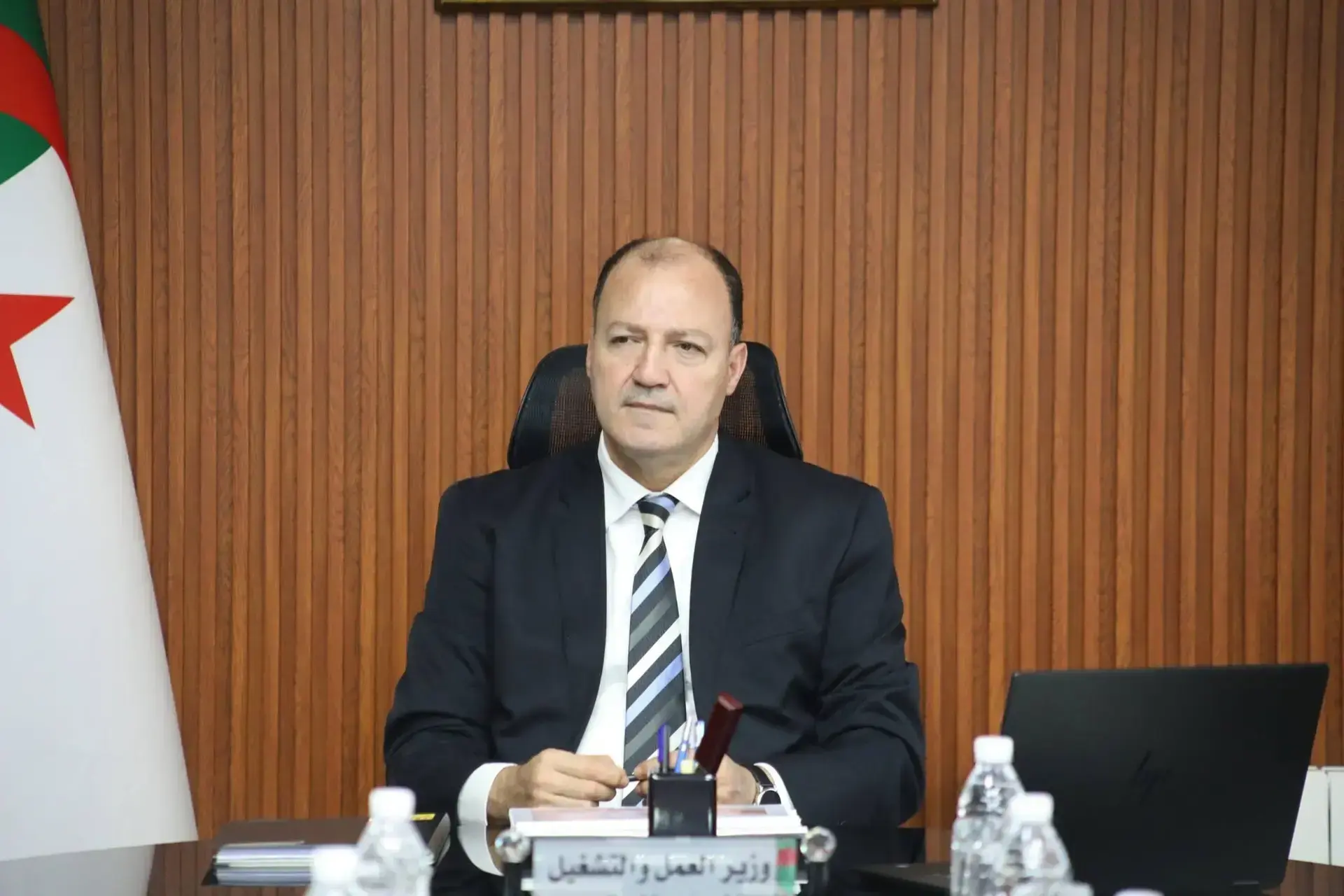
Mohamed Hattab, the Minister of Labor, Employment, and Social Security, recently chaired a meeting with officials from the Organism for the Prevention of Professional Risks in Building, Public Works, and Hydraulics Activities (OPREBATPH). During the session, held at the ministry's headquarters, Minister Hattab called for the intensification of field interventions and the strengthening of prevention measures across construction, public works, and hydraulic infrastructure sites.
The meeting focused on evaluating OPREBATPH's activities and the effectiveness of its interventions in preventing professional risks, acknowledging the specific challenges and inherent dangers within the building, public works, and hydraulics sectors. These sectors, as highlighted, demand constant vigilance and strict adherence to hygiene and safety regulations. The Minister underscored OPREBATPH's crucial role in supporting companies, fostering a culture of prevention, and developing comprehensive training and awareness programs for workers and supervisors. Such initiatives are vital for reducing work-related accidents and safeguarding human lives on development sites.
In his directives, Minister Hattab emphasized prioritizing work sites with high levels of professional risks. He called for the development of practical mechanisms to detect hazards and raise awareness about effective prevention methods. Additionally, he stressed the importance of strengthening coordination with employers and other relevant organizations involved in prevention and safety. The Minister insisted on transitioning from sporadic awareness campaigns to continuous, regular preventive actions, based on thorough field observations, detailed analysis of accident causes, and the identification of risk factors, followed by practical and applicable solutions.
The discussions further included developing robust systems for collecting and analyzing data related to work accidents and professional risks. The Minister highlighted the value of leveraging results from field studies and expertise to guide preventive interventions according to clearly defined priorities and precise indicators. He reiterated that preventing work accidents is a shared responsibility, with worker safety and life protection remaining central priorities for Algeria's ongoing development.