Finance Bill Aims to Clear Port Vehicle Backlog
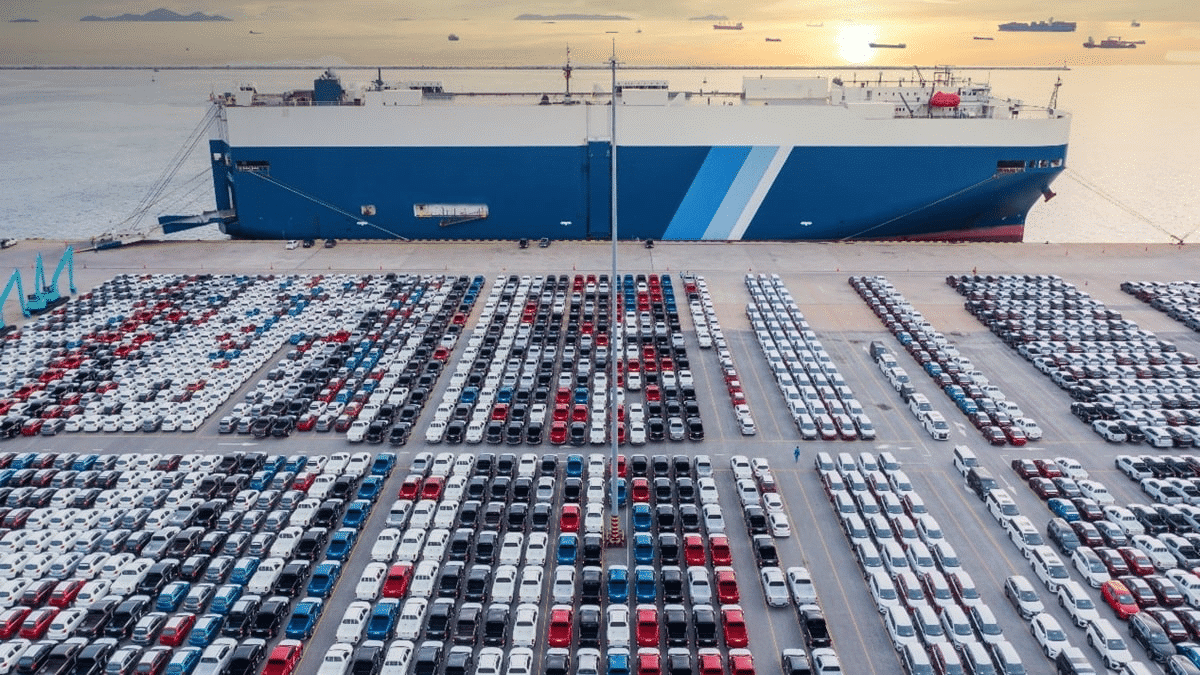
The 2027 finance bill project, recently adopted by the Council of Ministers, proposes a significant solution for the issue of new and used imported vehicles currently blocked in Algerian ports. This initiative aims to regularize the status of these vehicles, particularly those that have exceeded the authorized age limit during customs procedures. The government's proposal seeks to resolve a persistent logistical challenge, demonstrating a proactive approach to facilitating trade and addressing importer concerns.
A considerable number of imported vehicles, including those less than three years old, have faced delays in customs clearance. These vehicles often met the required age condition at the time of their direct shipment to national customs territory but subsequently exceeded it by the time of customs declaration. The delays are attributed to various factors, including lengthy shipping times, international logistics problems, transit issues, foreign port formalities, and other circumstances beyond the importer's control.
Under Article 168 of the proposed 2027 finance bill, imported vehicles that have surpassed the age limit set by current legislation and regulations will be permitted customs clearance for consumption. This regularization is subject to the condition that the vehicles complied with the age requirement on their original date of shipment. Additionally, an increase of 3% on applicable duties and taxes will be applied for customs clearance. This provision also extends to vehicles introduced into Algerian territory before the 2027 Finance Law's publication in December, provided the age condition was met at the time of their dispatch.
The primary objective of these measures, as outlined in the bill's explanatory statement, is to reduce the existing stock of vehicles in customs-controlled zones and to alleviate congestion in port areas. By streamlining the clearance process for these specific cases, the government aims to improve logistical efficiency and support economic activity related to vehicle imports.