Joint Commission Revives Algeria-Senegal Partnership with 15 Agreements
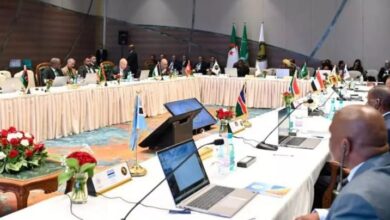
Algeria and Senegal formally signed 15 cooperation agreements and memoranda of understanding in Algiers on October 13, 2026. This significant diplomatic development occurred during the sixth session of the Algerian-Senegalese Great Joint Cooperation Commission, reactivating an institutional mechanism that had been dormant for nearly three decades. The proceedings were co-chaired by Ahmed Attaf, Algeria’s Minister of Foreign Affairs, National Community Abroad, and African Affairs, and Cheikh Niang, Senegal’s Minister of African Integration and Foreign Affairs.
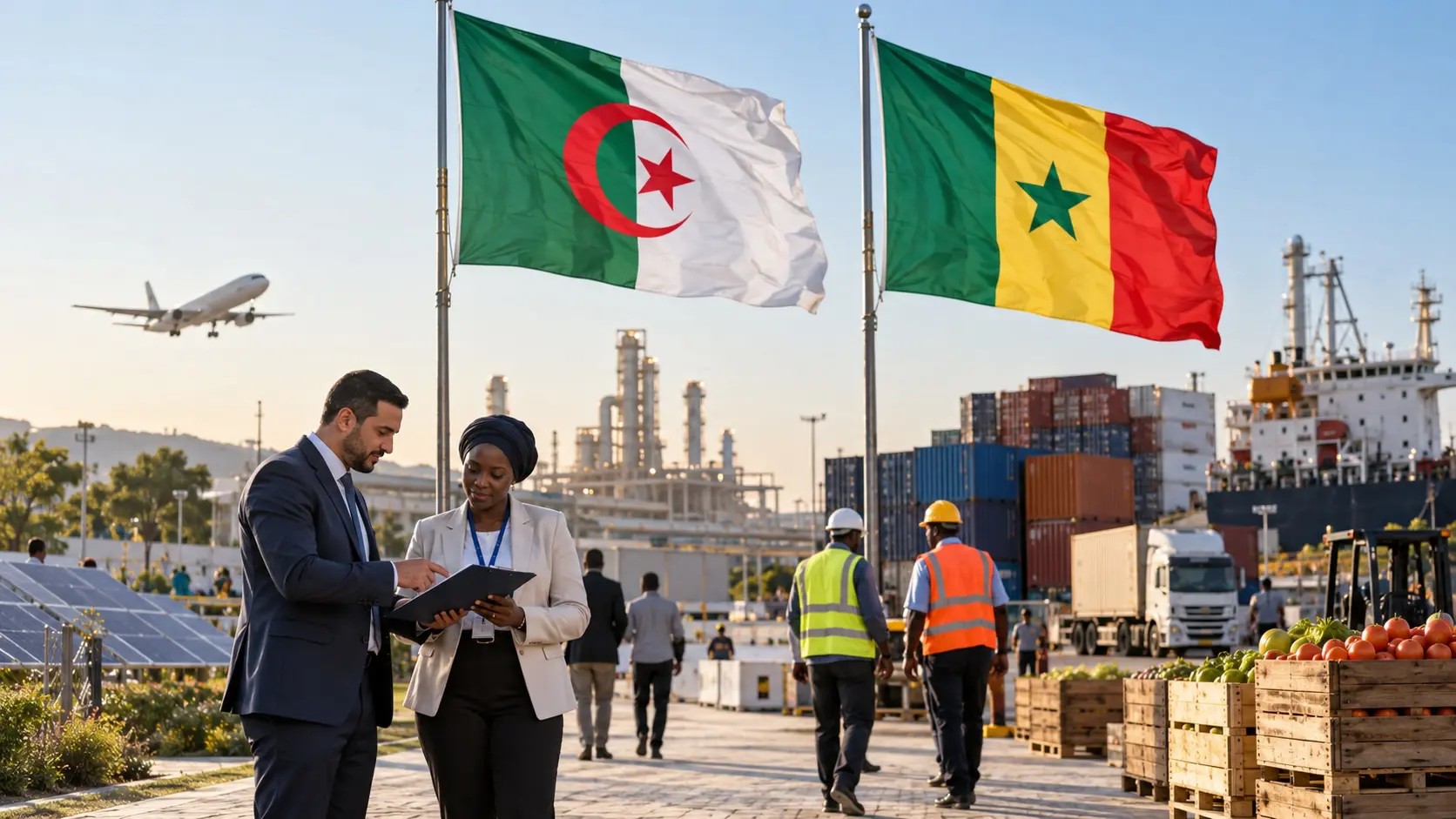
The renewed partnership aims to develop exchanges and translate diplomatic commitments into tangible economic projects, broadening the collaboration between Algiers and Dakar. Economic cooperation is a central focus, with priorities encompassing investments, energy, mines, industry, agriculture, air transport, and finance. Discussions also extended to other vital areas, including higher education, justice, culture, media, youth, sports, and women's empowerment, underscoring a comprehensive approach to bilateral relations.
Both governments acknowledge that current commercial exchanges fall short of their economies' potential and intend to strengthen ties between economic operators, encourage investments, and diversify trade products. The Algerian-Senegalese Business Council is expected to facilitate this rapprochement, leveraging opportunities presented by the African Continental Free Trade Area (AfCFTA), to which Algeria has extended its participation through the guided trade initiative. Additionally, the agreements aim to revitalize university exchanges, scholarship programs, and the mobility of students, researchers, and experts, alongside fostering professional training, scientific research, and innovation.
To ensure the concrete realization of these objectives, the joint communiqué outlined plans for the designation of focal points within relevant ministries. Regular follow-up meetings are scheduled to monitor the implementation of the 15 signed agreements, identify priority projects, and establish appropriate timelines for their progressive completion, signifying a structured approach to fostering long-term cooperation.