CISSA Intelligence Chiefs Gather in Algiers
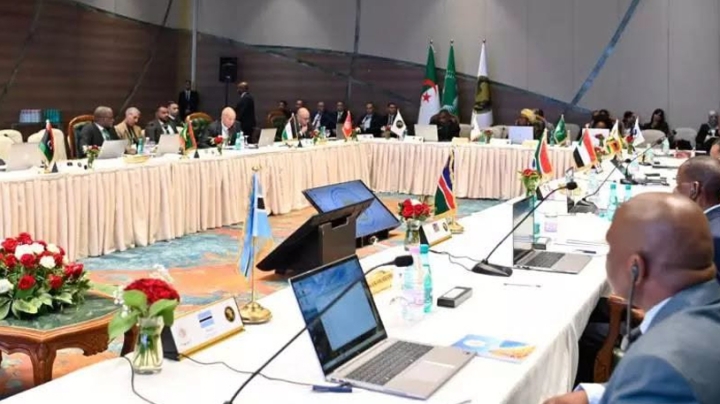
General directors of North African intelligence and security agencies, including Algeria, recently convened in Algiers for a regional workshop organized under the Committee of Intelligence and Security Services of Africa (CISSA). The high-level meeting, which saw participation from officials representing Algeria, Libya, Egypt, Mauritania, the Sahrawi Arab Democratic Republic, and Tunisia, dedicated its discussions to the critical issue of drug proliferation and consumption in the region. High-level representatives from Botswana, Zimbabwe, Sudan, South Africa, and Namibia also attended, alongside the CISSA Executive Secretariat and specialized African mechanisms.
The workshop, chaired by the National Directorate of Security, Documentation and Protection of Institutions of the Sahrawi Arab Democratic Republic in its capacity as this year's president of the CISSA North Africa Regional Bureau, focused on the security, social, economic, and health implications stemming from the widespread use of drugs across North Africa. Participants engaged in discussions aimed at strengthening regional cooperation, coordination, and the exchange of intelligence information and expertise among the involved agencies. This collaborative approach was emphasized as essential for addressing the multifaceted challenges posed by drug trafficking and related organized crime.
During the proceedings, Abdel Majid Ibrahim Abdel Karim, President of CISSA and Head of Libyan Intelligence, acknowledged Algeria's significant contributions to continental security. He affirmed that Algeria, having endured considerable challenges from terrorism, now stands as a beacon in combating this scourge, thanks to the dedication of its people. Mr. Abdel Karim further described Algeria as a very influential nation on the African continent, highlighting its continuous efforts to combat various scourges and expressing gratitude for its hosting of this timely and crucial regional workshop.
Concluding their work, participants stressed the imperative of bolstering operational coordination and sharing intelligence regarding transnational criminal networks, including their operational methods, routes, and funding sources. The discussions also called for improved monitoring and early warning systems to track the evolution of drugs and psychotropic substances, alongside intensified efforts to combat illicit financial flows. Furthermore, attendees advocated for enhanced prevention, treatment, and reintegration policies, particularly focusing on protecting youth from these harmful influences, while underscoring the strategic importance of North Africa in confronting evolving cross-border threats.