SoutH2 Corridor Positions Algeria for Europe’s Green Hydrogen Economy
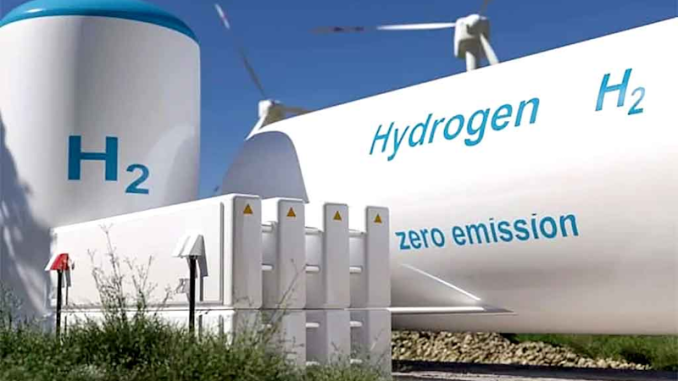
Algeria is actively repositioning itself in the European energy landscape, aiming to evolve beyond its traditional role as a gas supplier. This strategic shift, championed by President Abdelmadjid Tebboune, seeks to establish the nation as a prominent player in Europe's emerging green energy economy, focusing significantly on green hydrogen and renewable energy development. A central component of this ambition is the SoutH2 Corridor project, which is designed to form a vital new energy transportation axis.
The SoutH2 Corridor, envisioned as a nearly 3,000-kilometer hydrogen transport route, will connect North Africa to key European economies including Italy, Austria, and Germany, with a projected annual transport capacity of approximately four million tons. This five-country initiative also includes Tunisia, fostering a collaborative effort to develop new energy infrastructure across the Mediterranean. Algeria brings substantial assets to this venture, including extensive energy resources, established expertise in gas production and export, and existing infrastructure linking the region to the European market. The European Union's ambitious targets to produce and import ten million tons of renewable hydrogen by 2030 present a significant market opportunity, which Algeria is well-positioned to capitalize on due to its geographical proximity and energy sector experience.
This strategy extends beyond merely diversifying energy exports; it aims to transform the relationship between Algeria and Europe into a partnership integrating clean technologies, industrial investments, and higher value-added production. Algeria intends to foster domestic industrial development around the new green hydrogen sector, encompassing the manufacturing of electrolyzers and renewable energy installations, along with the growth of storage, transport, and specialized engineering capabilities. This approach is designed to promote the emergence of new Algerian enterprises, enhance local skills, and attract foreign investment in technological sectors, thereby utilizing the country's energy resources as a catalyst for economic diversification while complementing its established natural gas industry.