Tebboune Announces 2027 Liberal Economy Goal
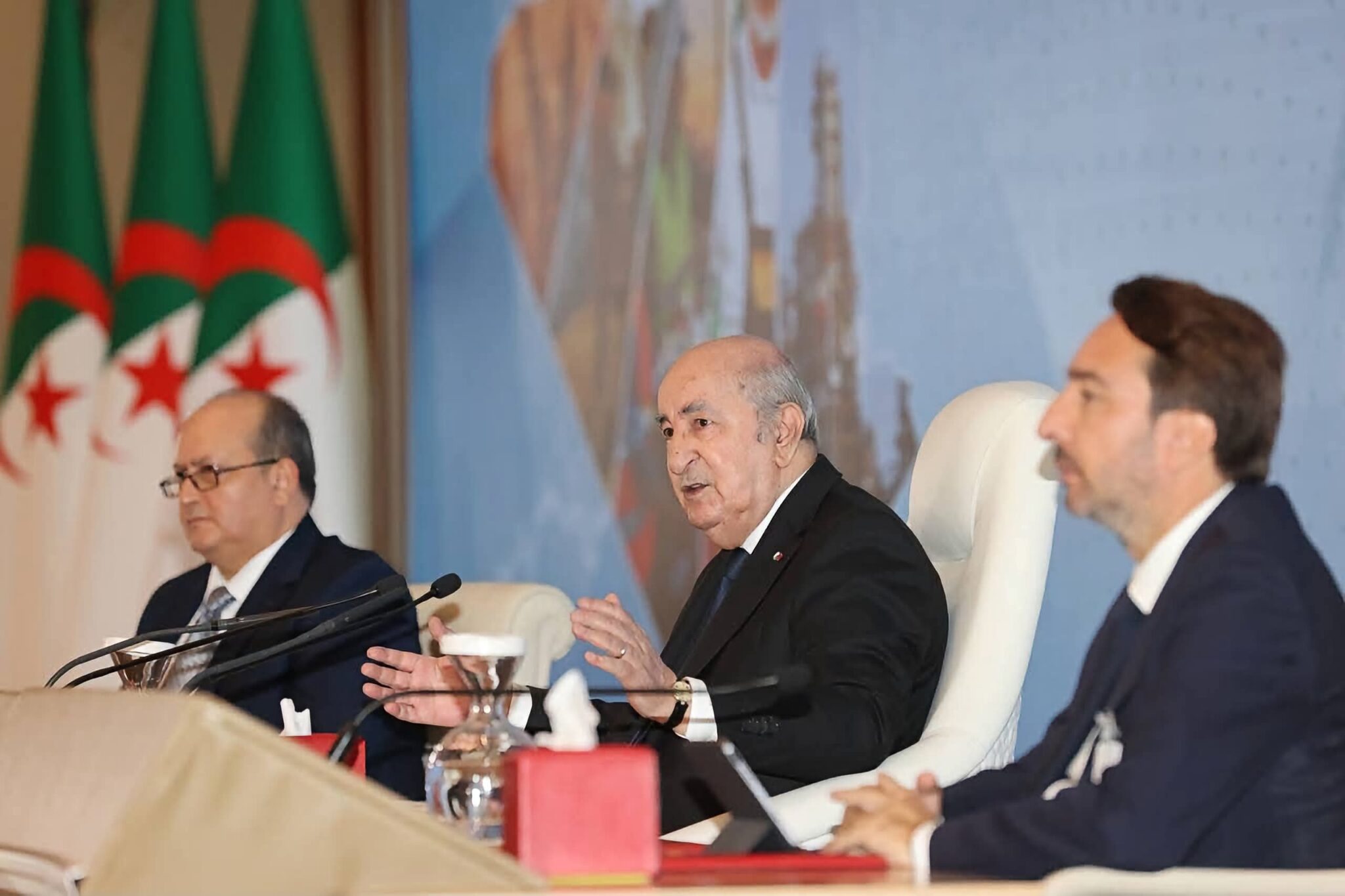
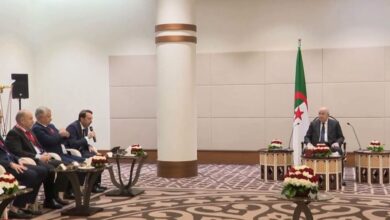
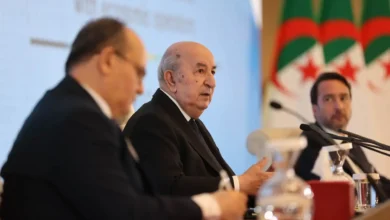
President Abdelmadjid Tebboune, during a national meeting with economic operators, declared Algeria's complete transition to a liberal economy by 2027. This pivotal announcement outlines a clear vision for building a robust and balanced national economy by the specified year, while ensuring the preservation of the state's social responsibilities. President Tebboune underscored the remarkable recovery of the Algerian economy since 2019, moving away from its previous reliance on oil revenues and a disorganized import policy to become the third-largest economy in Africa, with aspirations for further growth.
The President highlighted substantial improvements in the national economy, including a notable reduction of 40 to 42 billion dollars in the import bill. Significant progress has been made in domestic production, achieving 84% self-sufficiency in medicine, and projections indicate an end to diesel imports once the new Hassi Messaoud refinery commences operations. Furthermore, the industrial sector's contribution to the Gross Domestic Product has increased by 10%, while agriculture now accounts for 15%. Plans are in place to achieve cereal self-sufficiency by the end of 2027, and by late 2028, Algeria aims to produce its own vehicles, including locally manufactured gearboxes and tires, through collaborations with German and Italian partners. The nation also boasts 13,000 active investment projects, and the National Single Investment Window is set to become fully operational from January 1, 2027, coinciding with the implementation of the 2027 finance law.
This strategic shift towards a liberal economy is designed to empower Algerian enterprises by reducing administrative burdens, a move that has garnered support from economic experts who deem it essential for enhancing productivity and export capabilities. President Tebboune stressed the importance of collective effort to boost non-hydrocarbon exports and address market fluctuations, particularly in fruits and vegetables. To achieve this, an economic body will be established to regulate supply through storage and purchasing surplus production from farmers. Reaffirming the state's commitment, he stated that Algeria would not abandon its social role or subject sectors with significant social impact entirely to supply and demand principles, emphasizing a strong partnership between the state and economic actors. The Finance Minister has also been directed to engage with the World Bank and the International Monetary Fund to review and accurately represent Algeria's economic data internationally.