Trans-Saharan Gas Pipeline Targets 20 Bcm First Phase
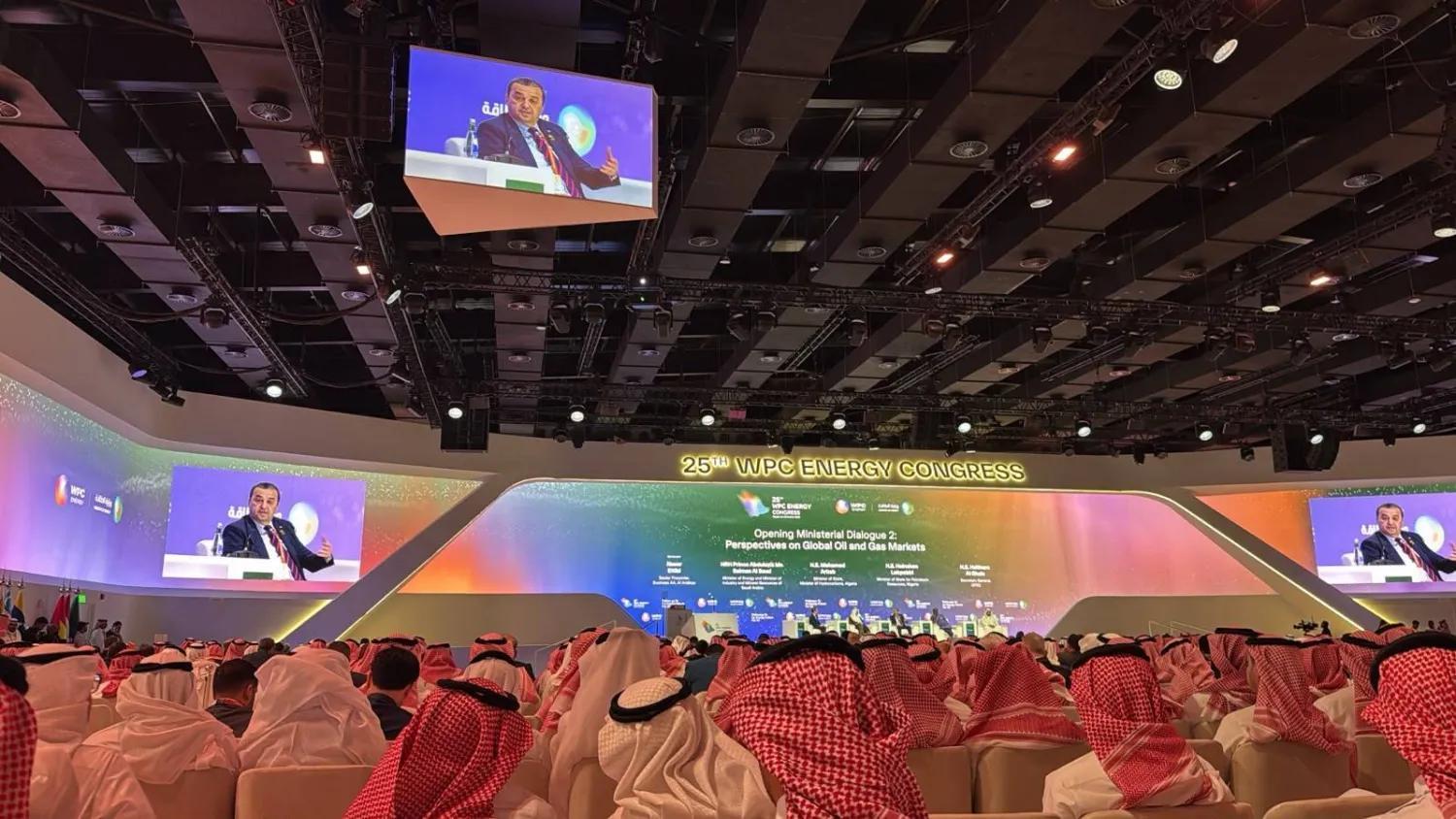
Algeria's Minister of Energy and Mining, Mohamed Arkab, confirmed the Trans-Saharan Gas Pipeline (TSGP) project is planned to transport 20 billion cubic meters (Bcm) of natural gas annually in its initial phase. This capacity could later be increased to 30 Bcm per year. Speaking at the Global Petroleum Conference in Riyadh, held in conjunction with the 25th World Petroleum and Energy Congress, Minister Arkab emphasized the project's strategic importance in bolstering energy security for both Algeria and its European partners by connecting Nigerian gas resources through Niger to Algeria's existing network.
Minister Arkab noted that the TSGP project, which involves Algeria, Nigeria, and Niger, has transitioned from studies to implementation. Algeria has completed its technical studies and officially launched construction on its segment of the pipeline on June 4. While preparations for the pipeline's route in Niger are ongoing, the Algerian portion is also designed to collect gas produced within Algeria, notably from the Ahnet basin. This initiative forms part of Algeria's broader strategy to enhance its natural gas production capabilities and expand investments in the sector to meet rising local and global energy demand.
To support the sustainability of energy supplies, Algeria is actively developing its energy infrastructure, boosting upstream production, and expanding transportation and refining facilities. The country is also working to create an attractive investment environment for international partners, backed by legislative adjustments through the 2019 Hydrocarbons Law. Minister Arkab also highlighted Algeria's program to establish photovoltaic solar power plants with a total capacity of 3,200 megawatts by the end of 2026. These solar projects are projected to reduce the amount of natural gas used for domestic electricity generation, thereby allowing additional quantities to be directed towards export markets and further enhancing Algeria's capacity to respond to international gas demand.