National Economy Shifts from State-Controlled to Free Model
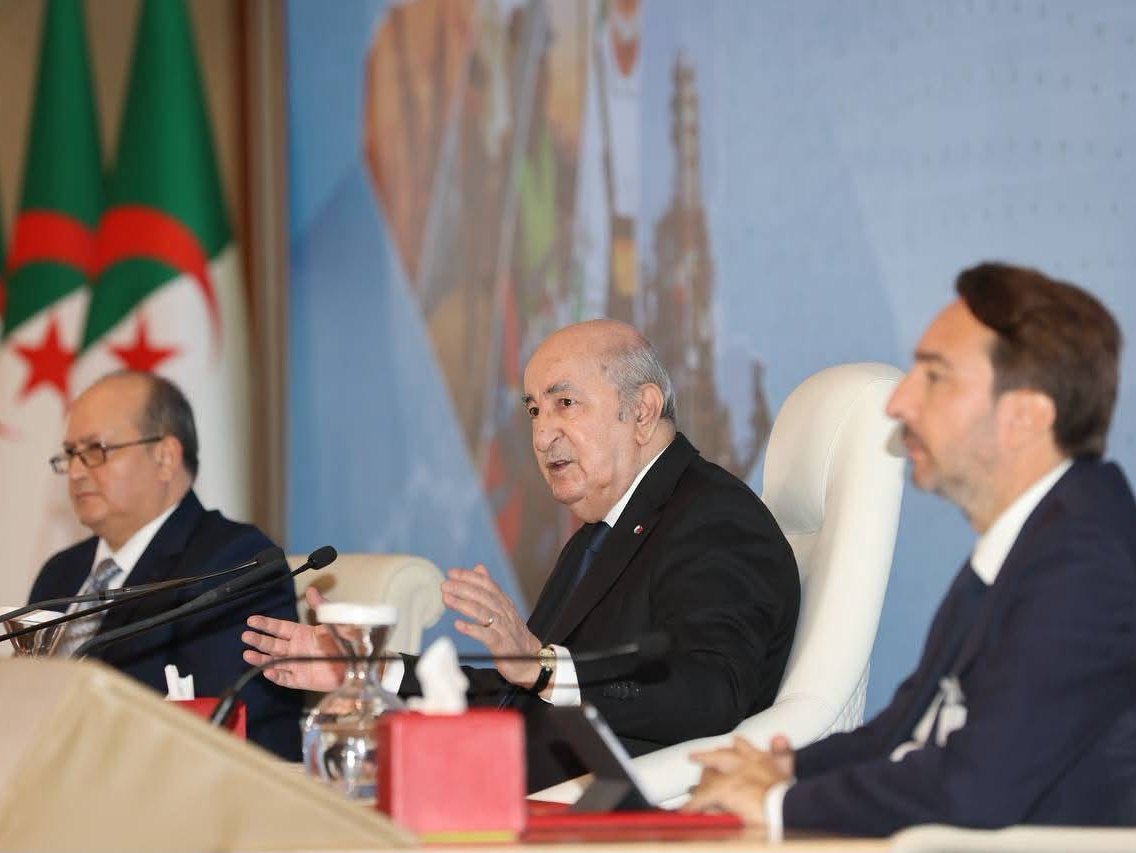
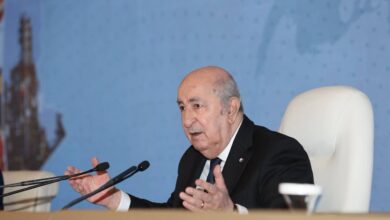
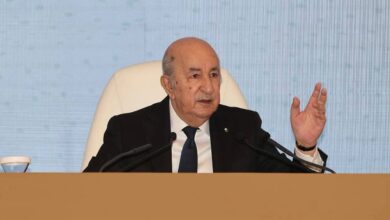
President Abdelmadjid Tebboune has declared that Algeria's national economy is undergoing a complete transformation, moving from a state-controlled (dirigiste) system to a free (liberal) economic model. This strategic shift, announced during a national meeting with economic operators, aims to propel the economy toward new horizons and build on recent positive indicators. The President noted a significant recovery in the national economy, which was previously dependent on oil revenues and susceptible to uncontrolled import policies, emphasizing its current status as Africa's third-largest economy.
Highlighting the progress made, President Tebboune detailed a substantial reduction in imports, which have decreased by an estimated $40 to $42 billion, underscoring a stronger national economic base. Significant strides toward self-sufficiency include the cessation of gasoline and jet fuel imports, with an upcoming end to diesel imports upon the launch of the new Hassi Messaoud refinery. Furthermore, Algeria now produces 84 percent of its pharmaceutical needs, including complex medicines for chronic diseases, showcasing a robust local industrial capacity.
The nation's non-hydrocarbon sectors are demonstrating significant growth, with industry's contribution to the Gross Domestic Product (GDP) increasing by 10 percent and agriculture by 15 percent. Efforts are underway to achieve self-sufficiency in grains by the end of 2027 and boost investments in critical areas like oil and sugar production. President Tebboune also outlined ambitious plans for the automotive sector, targeting the production of an Algerian car with local components by the end of 2028, in collaboration with German and Italian partners.
To foster further economic development and attract investment, President Tebboune lauded the establishment of the National Single Window for Investment as a pioneering initiative designed to streamline and empower both national and foreign investments. With 13,000 real investment projects already underway, this system, set to be fully implemented by January 1, 2027, alongside the 2027 finance law, reflects a clear commitment to facilitating growth. The President affirmed that 2027 is projected to be a pivotal year in the country's economic resurgence, emphasizing the collective effort required to elevate non-hydrocarbon exports while ensuring the state's continued social role during this profound transformation.