New Public Institution Targets Market Regulation, African Trade Growth
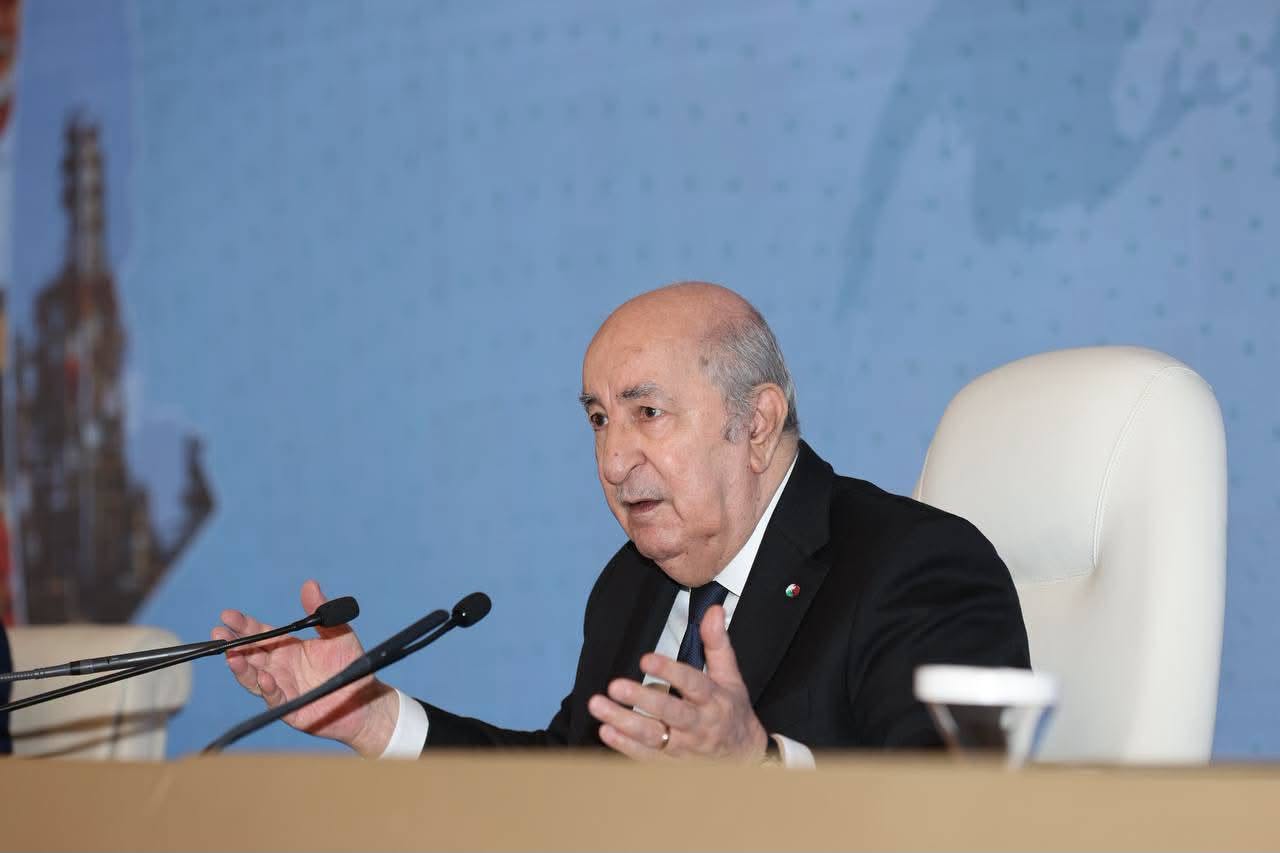
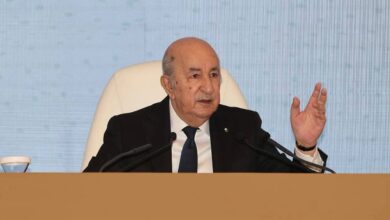
President Abdelmadjid Tebboune has directed the government to establish a new public institution with a mandate to manage agricultural production surpluses. This entity will be responsible for absorbing and storing excess produce, intervening to stabilize markets during periods of scarcity or price increases. The president emphasized that this measure is crucial for ensuring market stability and protecting both producers and consumers, particularly preventing losses for farmers when production is abundant.
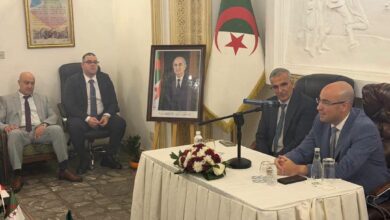
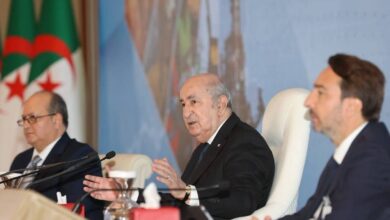
During a meeting with economic operators, President Tebboune affirmed the state's responsibility in monitoring production and regulating its mechanisms. He noted that the national economy has moved beyond a stage of underdevelopment, now focusing on strengthening its productive and export capabilities. The President expressed aspirations for 2027 to mark a significant increase in Algerian exports, specifically mentioning iron, integrated phosphate, and zinc, alongside opening wider economic opportunities with African countries.
To support these economic ambitions, President Tebboune underscored the necessity of completing the Trans-Saharan Highway project. This vital infrastructure will connect Algeria with several African nations, including Chad, Niger, and Mali, thereby stimulating commercial exchanges and facilitating the use of Algerian ports. Furthermore, a commitment was reiterated to extend railway services to Tamanrasset, with citizens expected to travel by train between Tamanrasset and the capital by the end of 2028.