2027 Water Budget Rises 141% for Desalination, Dams
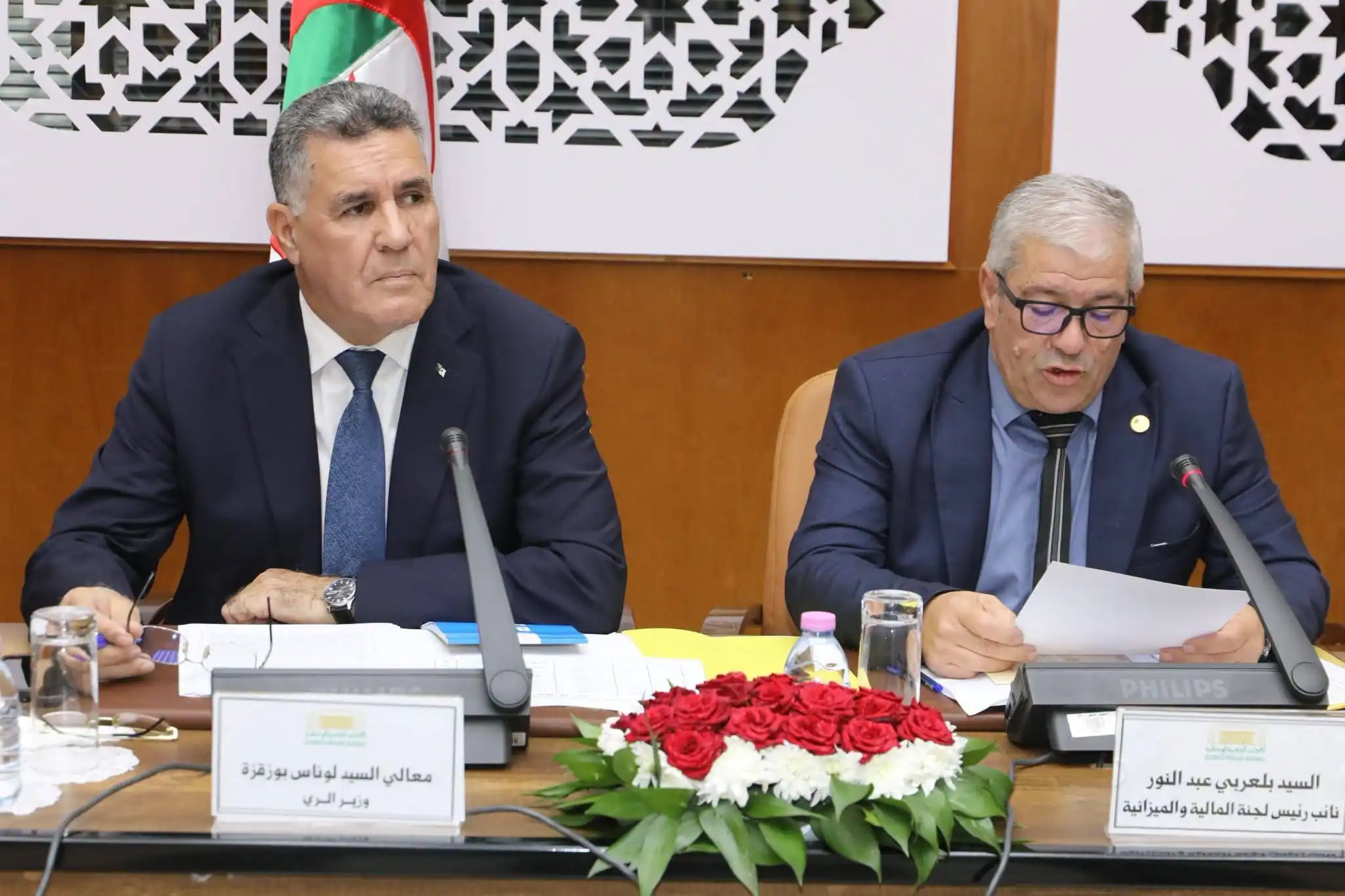
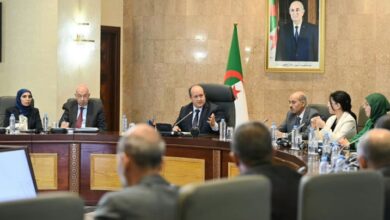
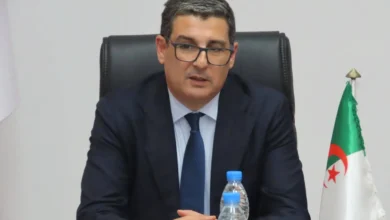
Algeria's Ministry of Hydraulics has unveiled a substantial financial commitment to bolster national water security, with a projected budget nearing $6.66 billion for 2027. Minister Lounès Bouzegza presented the details to the Finance and Budget Committee of the National People's Assembly, revealing a remarkable 141% increase in commitment authorizations compared to the 2026 fiscal year. This strategic allocation aims to address water supply challenges and support the nation's economic development, reflecting a clear trajectory of enhanced public effort towards hydraulic resources.
The significant financial offensive, equivalent to 894.8 billion dinars in commitment authorizations, will predominantly fund equipment and infrastructure. Investment operations alone account for 778.02 billion dinars, or 87% of the total commitment volume. The 2027 portfolio incorporates 388 new investment projects valued at 733.33 billion dinars, alongside the re-evaluation of 63 ongoing operations. A central focus of this investment is the expansion of seawater desalination capabilities and the construction of new dams, which are critical components of Algeria's long-term water strategy.
Key infrastructure developments include substantial funding for finalizing interconnections downstream of desalination units in Chlef, Mostaganem, and Tlemcen, alongside strengthening potable water supplies in Tébessa and Souk Ahras from the Ouldjet Mellegue dam. Significant funds are also earmarked for rehabilitating local water works, modernizing wilaya networks, establishing new storage reservoirs, and drilling and equipping new wells across the country. Additionally, the budget provides for a 43% increase in state subsidies to public utilities such as Algérienne des Eaux and the National Office of Sanitation, ensuring operational efficiency and service quality.
Beyond large-scale projects, the comprehensive plan addresses immediate needs and agricultural water usage. An emergency fund of 23 billion dinars is deployed at the wilaya level for rapid intervention equipment, ensuring timely responses to local supply issues. Further allocations support the extension of irrigated agricultural areas and critical initiatives for sanitation and flood control, aiming to secure sustainable water access and territorial balance for citizens.