Ministry Launches Animal Production Research Network for Food Security
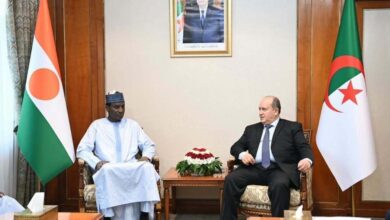
Algeria’s Ministry of Higher Education and Scientific Research, led by Minister Kamal Badari, has officially launched the Thematic Network for Research in Animal Production and Health in Algiers. This new initiative, which includes contributions from the Supreme Council of the National Scientific Community Abroad, aims to bolster the role of scientific research in developing national animal production and strengthening food security. Minister Badari emphasized that the network aligns with President Abdelmadjid Tebboune's directives to integrate Algerian scientific competencies, both domestically and internationally, into national economic and social development efforts, ultimately ensuring Algeria’s food sovereignty.
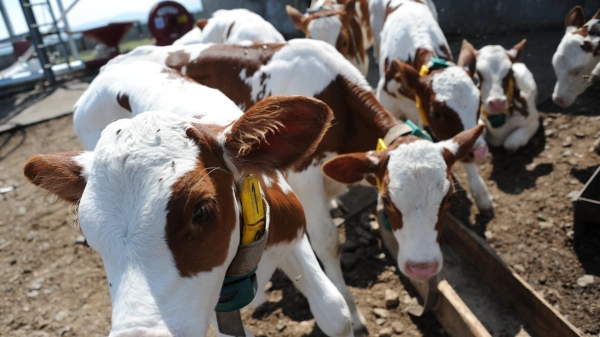
According to Karim Hassan, head of the National Organization for Agriculture and Food Security, the network is expected to create new opportunities for advancing animal production and improving animal health. It intends to achieve this by mobilizing Algerian scientific expertise and directing research towards practical, sector-specific solutions that support national output, enhance food sovereignty, and decrease dependence on foreign markets. Hassan highlighted the necessity of adopting modern techniques in breeding, nutrition, and healthcare to boost productivity and quality, underscoring scientific research's crucial role in refining animal husbandry methods and developing advanced feeding and care practices tailored to Algeria's environmental specificities.
The new network will also focus on critical areas such as investing in vaccine and treatment development, along with improving diagnostic tools for early disease detection to protect Algeria’s livestock and minimize losses. Hassan stressed that Algerian universities are essential partners in this endeavor, tasked with reintegrating local competencies and scientific research into the economic cycle. This involves strengthening ties between academia and the agricultural field through applied research projects, offering expert consultations, and forging partnerships with economic entities to translate research outcomes into actionable solutions. Furthermore, specialized, high-level laboratories equipped with advanced technology for detecting animal and plant diseases are deemed vital for comprehensive prevention and early intervention strategies.
Effective implementation of this strategy, Hassan noted, requires leveraging the deep understanding of Algeria's unique soil, climate, water, and plant resources possessed by local experts. The initiative encourages granting agricultural land to qualified professionals for developing practical models and pilot projects, thereby stimulating innovation and refining production methods. This approach is designed to create an environment conducive to research and experimentation, opening pathways for youth and university graduates to participate in innovative production ventures, generate employment in rural and desert areas, and optimize the utilization of local potential. Ultimately, by linking scientific research to the nation's economic and social needs, the network aims to establish universities as active development partners and reinforce Algeria’s agricultural foundations for sustained food security.