New Vaccines Added to Algeria’s Mandatory Child Schedule
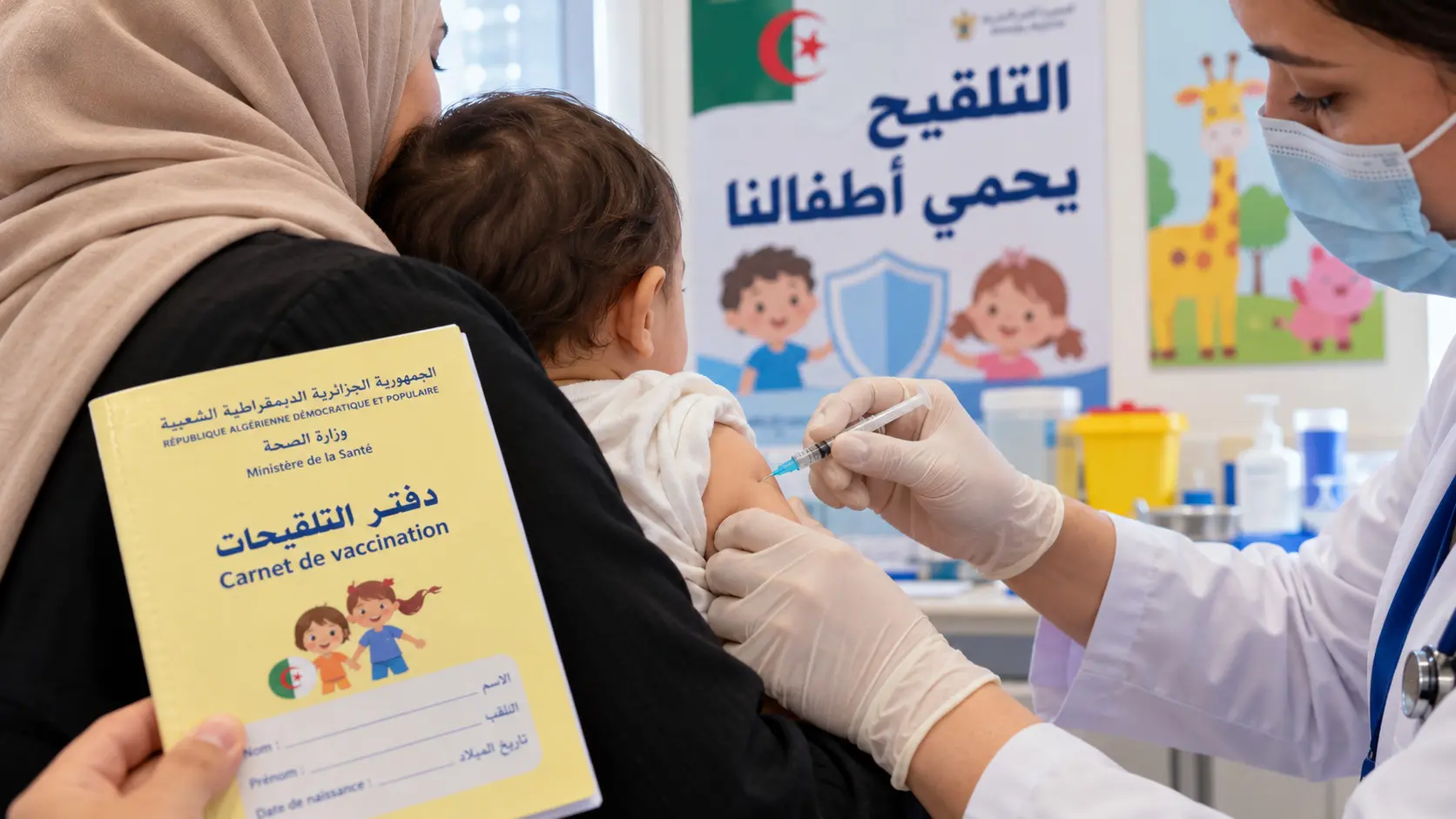
Algeria's Ministry of Health has updated its national mandatory child vaccination schedule, effective April 2026. This revision builds upon the reference text from July 3, 2018, by integrating new vaccines from infancy through adolescence. These vaccinations are provided free of charge across public health structures, including maternities, polyclinics, and local health establishments. The ministry's stated objective is to achieve "zero unvaccinated children," a goal supported by collaborations with UNICEF and the World Health Organization. This initiative underscores a commitment to comprehensive public health coverage for the nation's youth.
The April 2026 decree introduces several key updates to the vaccination calendar. Infants will now receive an oral polio vaccine at two months, in addition to the existing injectable form. Furthermore, the human papillomavirus (HPV) vaccine has become mandatory for students aged 11 to 13, offering protection against a virus linked to certain cancers, including cervical cancer. The pneumococcal vaccine has also been updated to a new formula that covers a broader range of serotypes, enhancing protection against conditions such as meningitis and pneumonia.
The comprehensive schedule begins at birth, with newborns receiving the BCG vaccine against tuberculosis and the hepatitis B vaccine before leaving the maternity ward. Subsequent appointments at 2, 4, and 12 months include the hexavalent vaccine, which protects against six diseases in a single injection, alongside the pneumococcal and oral polio vaccines. The measles, mumps, and rubella (MMR) vaccine is administered in two doses, at 11 and 18 months. Boosters continue into school age, with children receiving a diphtheria, tetanus, and pertussis (DTCa) reminder and an injectable polio dose at six years. Adolescents aged 11 to 13 receive the adult diphtheria and tetanus (dT) vaccine, now with the mandatory HPV vaccine, followed by another dT adult booster between 16 and 18 years, and then every ten years thereafter, ensuring lifelong protection.
To address any missed vaccinations, the Ministry of Health has provisions for resuming the schedule without starting anew; parents can visit the nearest vaccination center with their child's health record. The ministry also regularly organizes catch-up campaigns, particularly targeting unvaccinated or delayed children under six years old. A recent campaign for poliomyelitis saw health teams vaccinate 3,838,881 children aged two months to five years, achieving a 96% coverage rate. The child's health record, which documents all vaccinations, is mandatory for school enrollment and serves as a vital tool for healthcare personnel to track vaccination status.