Public Works Sector Promotes Social Responsibility, Safety
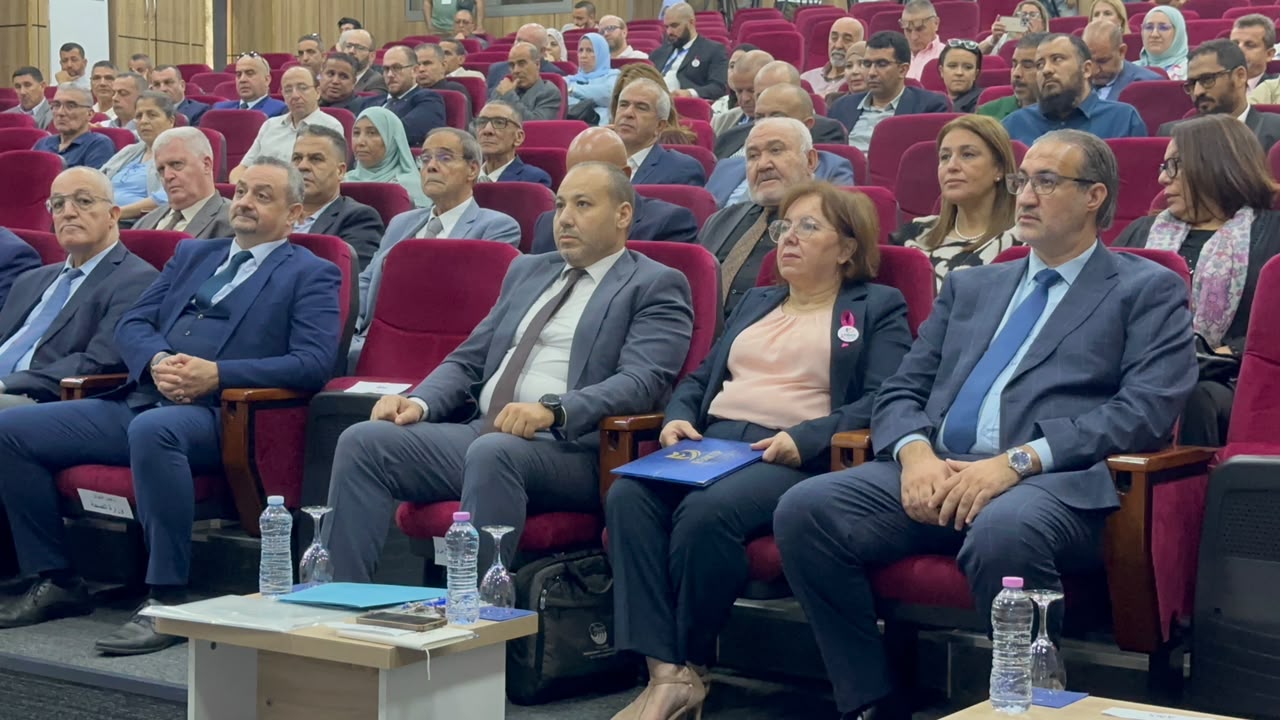
The Higher School of Public Works Management in Algiers hosted an awareness day on organizational social responsibility within the public works sector, operating under the theme "Shared Responsibility, Commitment for Life." The event, held under the patronage of the Minister of Public Works and Basic Infrastructure, Abdelkader Guelaoui, covered crucial topics including prevention, safety, health, and solidarity. A collective blood donation campaign, involving officials and workers from the sector, was organized for hospitals during "Pink October," embodying values of solidarity and social responsibility.
Speaking at the event through a representative, Minister Guelaoui clarified that social responsibility integrates human, social, and environmental considerations into the management and performance of institutions, especially within the public works and basic infrastructure sector due to its direct link to citizens' lives, safety, and living conditions. He stressed that roads and infrastructure are not merely projects but daily spaces impacting citizen safety and movement, while also supporting economic activity. The Minister underscored that responsibility towards individuals begins from the design phase and extends through implementation, operation, and maintenance, emphasizing the importance of fostering a culture of prevention and safety at work sites and around facilities, alongside environmental stewardship and rational resource use. He concluded by stating, "The value of what we achieve is not measured by the length of the road or the height of the bridge, but by the number of lives we protect."
The Director-General of the Higher School of Public Works Management affirmed that social responsibility translates into concrete actions with a positive impact on citizens and society, highlighting the blood donation drive as a practical demonstration of these humanitarian values. Professor Issam Fariqa, representing the National Blood Agency, noted that the blood donation initiative aligns with the ISO 26000 international standard for social responsibility, particularly in health and community solidarity. He revealed that Algeria records over 740,000 annual blood donations and emphasized the continuous need for campaigns due to the limited shelf life of blood components, which cannot be manufactured or replaced commercially.
Zakaria Louber, Head of the Bureau of the Algerian Civil Society Academy, contextualized the event as part of a transition towards enhancing awareness of social responsibility across all institutions, public and private. He advocated for institutions to adopt sustainable approaches and continuous planning in this area, underscoring that decision-making must now account for economic, social, and environmental impacts. Louber also stressed the importance of coordination between the public sector, private sector, and civil society to ensure institutional efficiency, strengthen social cohesion, and build a resilient state capable of mitigating social vulnerabilities.