UNESCO Commends Algeria’s Preservation Efforts for Tipasa Archaeological Site
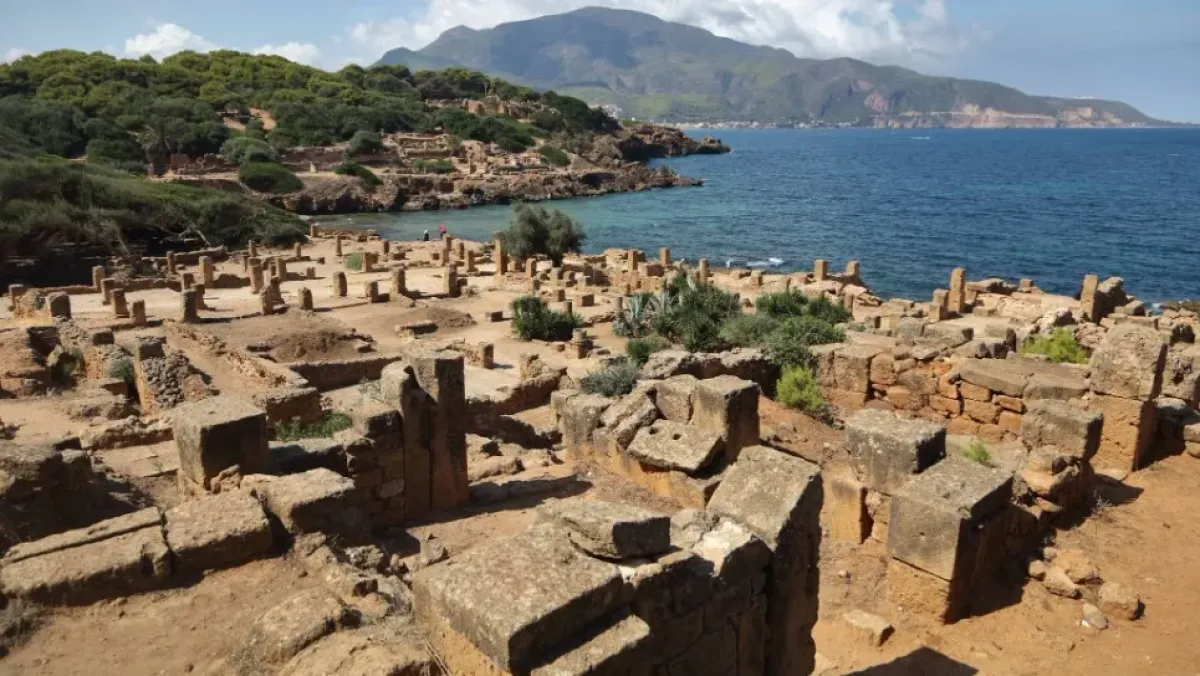
Algeria has received explicit recognition from the UNESCO World Heritage Committee for its dedicated efforts in preserving and managing the ancient archaeological site of Tipasa. This commendation emerged from the technical report on the site's preservation, issued during the 48th session of the World Heritage Committee held in Busan, South Korea, from July 19 to 29, 2026. The Algerian Ministry of Culture and Arts expressed its satisfaction with the committee's unanimous decision, which acknowledged the Algerian state's commitment to ensuring effective, sustainable management and protection of both the tangible and intangible elements that define the authenticity of this exceptional monument, inscribed on the World Heritage List since 1982.
The World Heritage Committee specifically lauded Algeria for its comprehensive management plan for the Tipasa site, covering the period of 2025-2030, emphasizing that its effective implementation will serve as a robust foundation for the site's administration and safeguarding its outstanding universal value. The committee also recognized significant advancements in various aspects of preservation, including documentation processes, ongoing maintenance, and regular monitoring. Furthermore, it acknowledged the extensive cleaning campaigns undertaken with the support of local authorities and civil society, as well as the installation of security fences around the archaeological parks and the Mauretanian Royal Mausoleum, alongside the initiation of advanced technical studies for the rehabilitation of "Villa Angelevy."
In response, the Ministry of Culture and Arts reiterated Algeria's commitment to diligently implement all technical recommendations outlined in the committee's decision. These recommendations include a review and enhancement of the site's lighting system, an update of data related to the port development project to align with international standards for preserving archaeological landscapes, and continued efforts to define the marine expansion of the buffer zone based on completed underwater archaeological studies. The ministry is also dedicated to securing the necessary financial resources for proposed technical solutions concerning rainwater management to prevent water accumulation within the archaeological monuments, and has pledged to submit an updated report on the site's preservation status and the progress made by December 1, 2028, to the World Heritage Center.