High Council Mobilizes Scientific Diaspora for National Development
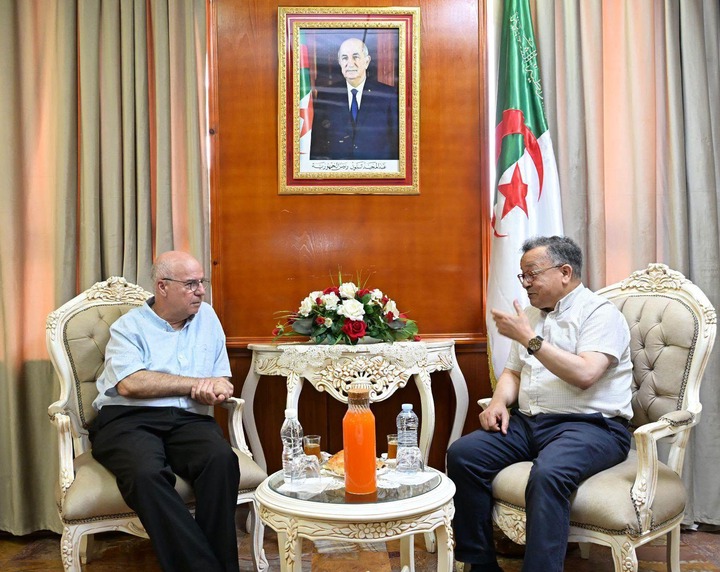
Algeria has officially established the High Council of Scientists from the Algerian Community Abroad, a new institution aimed at harnessing the expertise of its global scientific diaspora for national development. Created by presidential decree during a Council of Ministers meeting on June 21, 2026, the Council held its constitutive meeting in late June in Algiers. Physicist Noureddine Melikechi, an Algerian-American known for his work with NASA's Mars missions, has been appointed Vice-Coordinator, working alongside Elias Zerhouni, former Director of the US National Institutes of Health, who serves as General Coordinator.
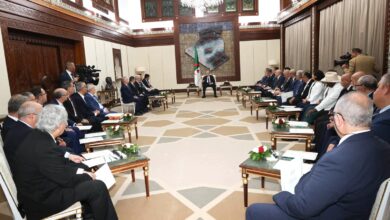
The Council convened its first meeting on June 28 at the Abdelhafid Ihaddaden scientific and technological hub in Sidi Abdallah. Twenty-four of its thirty-one members were physically present, while seven, including Mr. Melikechi, participated remotely via videoconference. Mr. Melikechi's distinguished international career includes leading the Kennedy College of Sciences at the University of Massachusetts Lowell, direct involvement in NASA's Curiosity and Mars 2020 missions for spectroscopic analysis of Martian data, and developing the Tag-LIBS technique for early detection of cancers and neurodegenerative diseases. He has accumulated over 125 scientific publications, 15 patents, and received multiple distinctions, including three NASA awards.
The High Council for the Scientific Diaspora has been given a precise mandate focusing on three major areas: establishing durable connections between Algerian academics and researchers abroad and national institutions, implementing scientific and technological watch to identify priority needs and opportunities, and facilitating the transfer of modern technologies and know-how. This initiative is particularly aimed at strategic sectors such as health, energy, information technology, and industry. Furthermore, the Council is expected to contribute to the modernization of Algerian universities, leveraging its members' dual knowledge of national and international academic systems.
The creation of this Council underscores Algeria's firm political commitment to "reconnect" with its expatriate scientific talent, which has long been considered an under-exploited resource. By placing this structure under the direct supervision of the Presidency of the Republic and granting it significant organizational autonomy, authorities aim to provide a lasting institutional framework for the scientific diaspora's contributions, shifting from isolated initiatives to an integrated national strategy. This structured approach is intended to signal to young Algerian researchers and engineers that international excellence can directly benefit the nation, ensuring that the Council's international credibility translates into operational programs and concrete industrial projects.