High Council Launches Roadmap for Diaspora Scientific Engagement
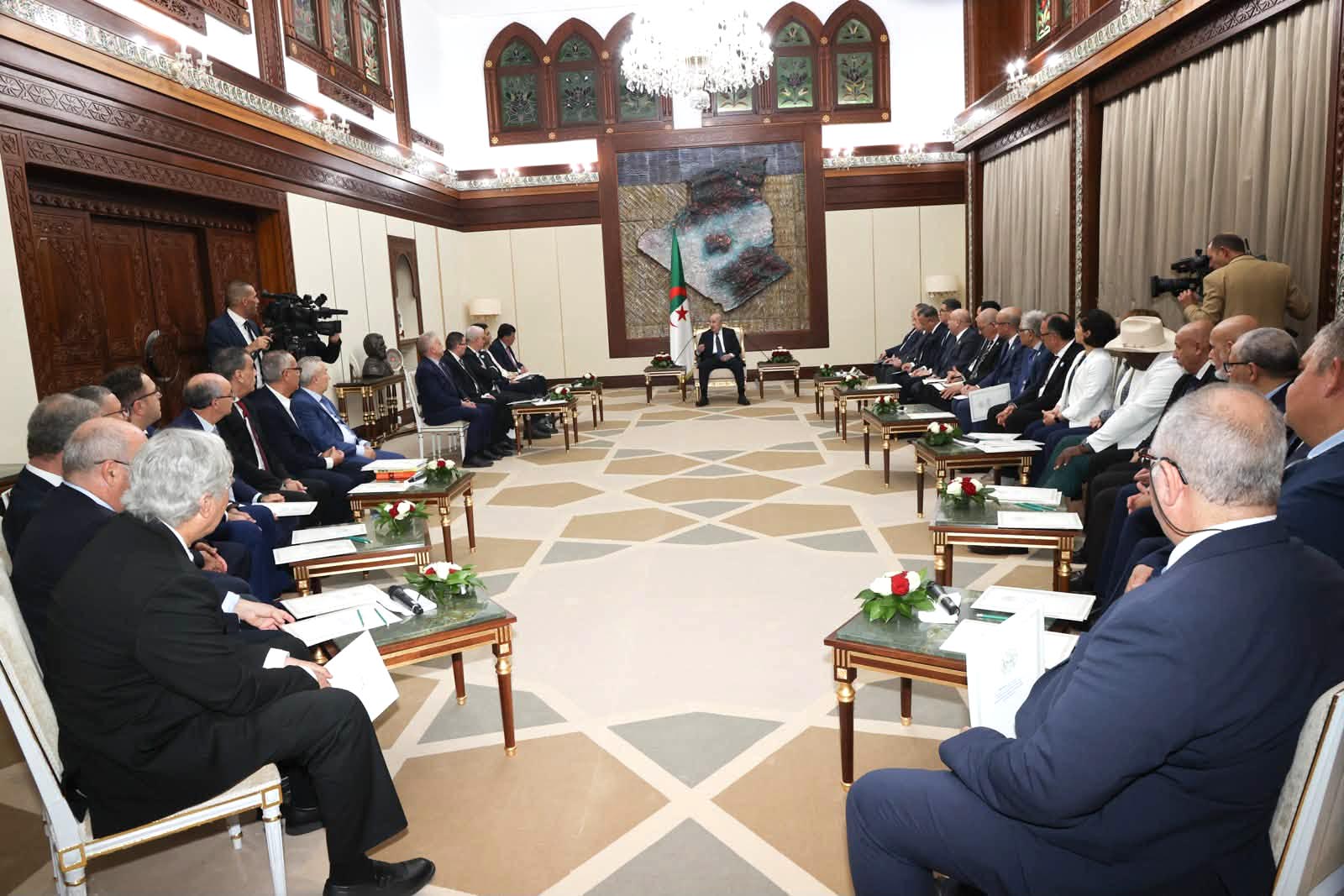
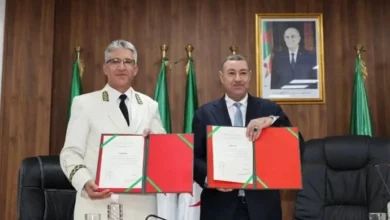
Algeria commenced the first session of the High Council of the National Scientific Community Abroad in Algiers, marking a new phase in its strategy to mobilize diaspora competencies. This consultative body, directly placed under the President of the Republic, is designed to provide a permanent and operational institutional framework, endowed with legal personality and financial independence. The initiative builds upon a governmental sequence that began in June, when the Council of Ministers, led by President Abdelmadjid Tebboune, decided to establish this entity.
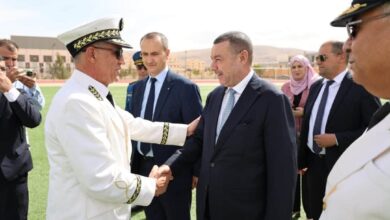
During the session, the Minister of Higher Education and Scientific Research, Kamel Baddari, commended the "very high patriotic spirit" of Algerian scientists abroad who responded to the national call. The stated objective is to evolve from "contingent relations and scattered contacts to a lasting institutional partnership," recognizing Algeria's substantial reservoir of global expertise capable of driving institutional and technological modernization. The Council's coordinator, Professor Elias Zerhouni, outlined strategic missions including proposing national project visions, evaluating their scientific and technological relevance, contributing to national renaissance, facilitating knowledge circulation, and strengthening scientific dialogue. He also indicated plans for an agile roadmap, to be presented to the President of the Republic.
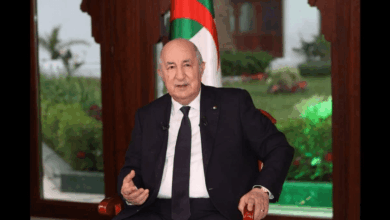
The first session gathered the Council president and 28 members, including 27 scientists and experts from the diaspora, along with representatives from strategic ministerial departments and economic enterprises. These members were selected based on their international scientific standing and expertise in critical fields such as artificial intelligence, digital transformation, cybersecurity, health, renewable energies, and technological watch. President Abdelmadjid Tebboune received the members of the High Council, underscoring the national importance of this body. This development reflects a significant shift in Algeria's relationship with its diaspora, moving towards creating "bridges" through joint projects, mentorship, and academic collaborations, leveraging the estimated three to four million Algerians globally.