Phosphate Extraction Plant Foundations Laid in Bir El Ater
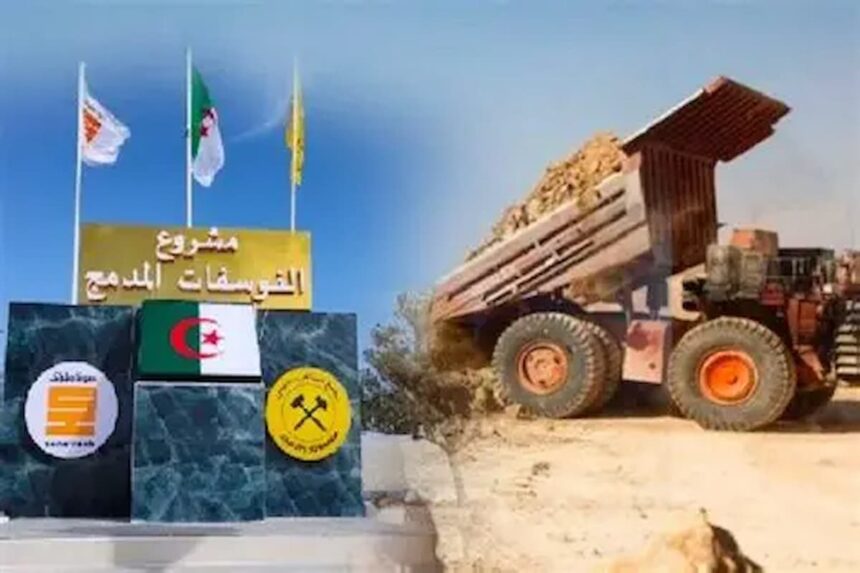
Algeria has officially commenced the construction of a significant integrated fertilizer production complex, marking a pivotal step in the nation's economic strategy. Concurrently, the first stone was laid for a phosphate extraction and enrichment plant at the Bled El Hadba mine in Bir El Ater. The groundbreaking ceremony saw the participation of State Minister for Hydrocarbons Mohamed Arkab, alongside Minister of Public Works and Basic Infrastructure Abdelkader Djellaoui, and Minister of Mines and Mining Industry Mourad Hanifi. This dual initiative underscores Algeria's commitment to developing new industrial value chains and reducing its economic reliance on hydrocarbons.
The newly initiated phosphate complex is an integral part of a broader, integrated project spanning the wilayas of Annaba, Souk Ahras, Tébessa, and Bir El Ater. The Bled El Hadba mine, recognized for its substantial geological resources estimated at approximately 1.2 billion tonnes of crude phosphate, forms the initial link in this comprehensive industrial chain. The integrated project is designed to facilitate the annual extraction of 5.5 million tonnes of crude phosphate, which will then be processed to yield about 3.2 million tonnes of enriched phosphate each year.
This enriched material is intended for chemical transformation units located in Oued Kebrit, aiming for a total production capacity of 5.5 million tonnes of marketable enriched phosphate annually. The development of the Bled El Hadba pole is guided by an integrated vision focused on valorizing Algeria's mineral resources, extending beyond simple extraction to include enrichment, transformation, and the production of fertilizers and chemical products. This robust industrial system is strategically linked with a network of transportation and port facilities. Ministers present at the ceremony emphasized the need to accelerate the pace of realization to achieve enriched phosphate production on schedule.
The initiative is projected to significantly contribute to strengthening national food security by ensuring a domestic supply of fertilizers for the agricultural sector. Furthermore, it is expected to increase the added value of national resources, foster non-hydrocarbon exports, create both direct and indirect employment opportunities, facilitate technology transfer, and advance local production capabilities.