Global Innovation Index: Algeria Ranks Third in Education
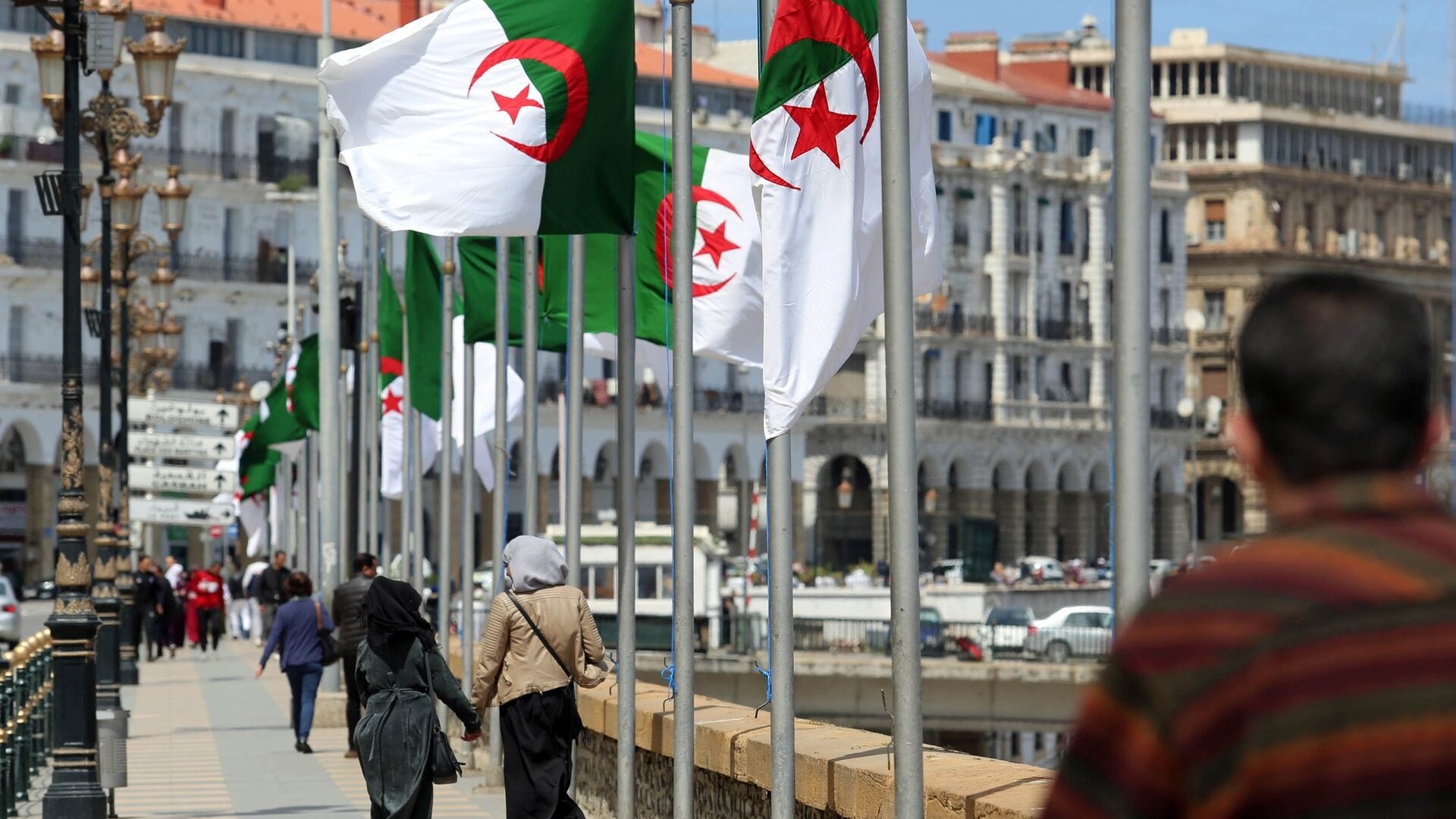
Algeria secured the third global position in the "Education" subcategory of the Human Capital and Research pillar within the 2026 Global Innovation Index (GII). This international ranking, published by the World Intellectual Property Organization (WIPO), a specialized agency of the United Nations, assessed approximately 140 economies worldwide. Algeria achieved a score of 81.2 in this specific category, reflecting its performance across several indicators related to education. The nation also saw an improvement in its overall GII ranking, moving from 115th in 2025 to 111th in 2026, continuing a trend from 121st in 2020.
The "Education" subcategory within the GII measures five specific indicators, including government expenditure on education as a percentage of GDP, government funding per secondary school student, expected years of schooling, PISA test results, and the student-teacher ratio in secondary education. Algeria notably excelled in two of these key metrics, ranking second globally for both government spending on education and the financial resources allocated per secondary school student. These strong performances significantly contributed to Algeria's high ranking in the "Education" subcategory.
While this third-place ranking does not comprehensively reflect the overall quality of Algeria's educational system or student performance, it represents a specific achievement within the GII framework. The substantial public expenditure on education and the dedicated funding for secondary schooling are identified as positive factors in building human capital, crucial for fostering research, development, and innovation. The significant leap in Algeria's standing in this subcategory from 93rd in 2025 to third in 2026 is largely attributed to updates in available data and methodological adjustments in the index, which included new metrics like government funding per secondary student and student-teacher ratios while excluding older PISA results. These changes allowed for a more complete assessment of Algeria's educational investment.