SoutH2 Corridor to Deliver Algerian Green Hydrogen to Europe
Algeria has signed a landmark agreement, the "Algiers Declaration," with Tunisia, Italy, Austria, and Germany for the export of green hydrogen through the SoutH2 Corridor. This strategic initiative involves a 3,000-kilometer pipeline designed to transport 4 million tons of green hydrogen annually, extending from Algeria through Tunisia to reach Italy, Austria, and Germany. The project marks a significant step towards bolstering clean energy supplies to Europe and achieving emission reduction targets by 2030, reinforcing Algeria's position in global energy transition efforts.
The development of the SoutH2 Corridor is supported by extensive collaborative efforts, including the Algeria-Europe Hydrogen Alliance (ALTEH2A) project. This integrated project aims to produce and transport green hydrogen from Algeria to Europe, leveraging Algeria's exceptional solar capabilities, significant energy resources, and strategic geographical location. Minister of Energy and Renewable Energies Mourad Adjal emphasized Algeria's full commitment to this initiative, highlighting its objective to maintain a pivotal role in energy relations between Algeria and Europe. A feasibility study for ALTEH2A is currently underway, focusing on identifying potential production sites, assessing project costs, evaluating transport options, and analyzing the European market, with initial results anticipated in 2027.
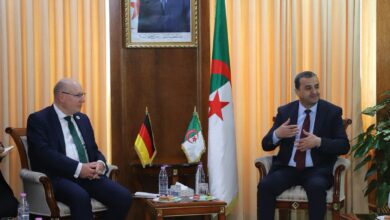
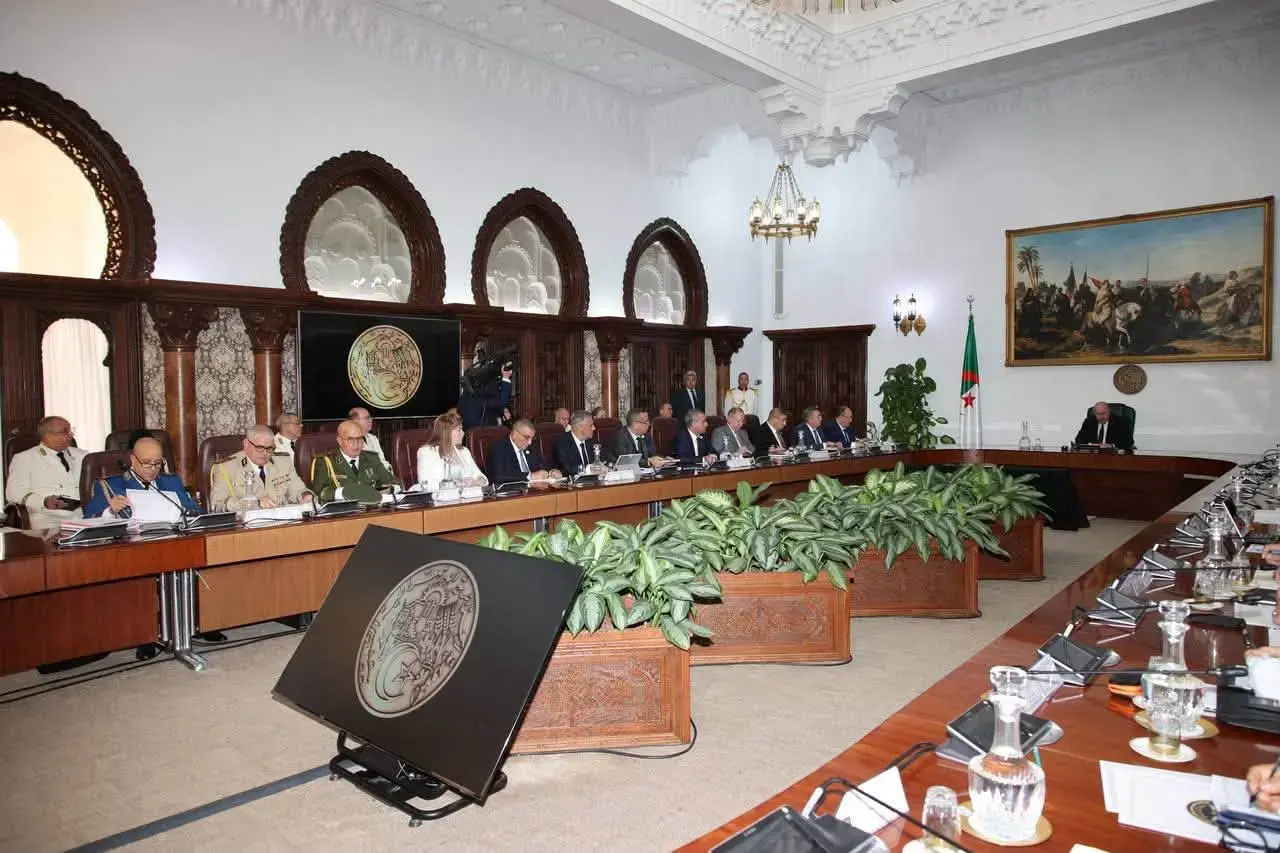
President Abdelmadjid Tebboune recently met with energy ministers from the participating countries, reaffirming the high-level support for the SoutH2 Corridor. Ministers from Italy, Austria, Germany, and Tunisia praised Algeria's commitment and the project's potential to foster closer regional ties, ensure energy security, and contribute to the economic well-being of all involved nations. Austrian Minister Wolfgang Hattmannsdorfer affirmed Algeria as a "strong partner," while German State Secretary Frank Wetzl noted the broad consensus and the project's potential to bring countries closer. Tunisian Minister Salah Zaouari recognized the corridor as a strategic clean energy facility linking North Africa with Europe, underscoring its role in sustainable development and the future hydrogen economy in the Mediterranean basin. This collaborative venture is set to provide substantial opportunities for industrial and economic development, fostering mutual benefits across the region.