Tebboune Affirms Sovereign Stance on Regional Security, Global Ties
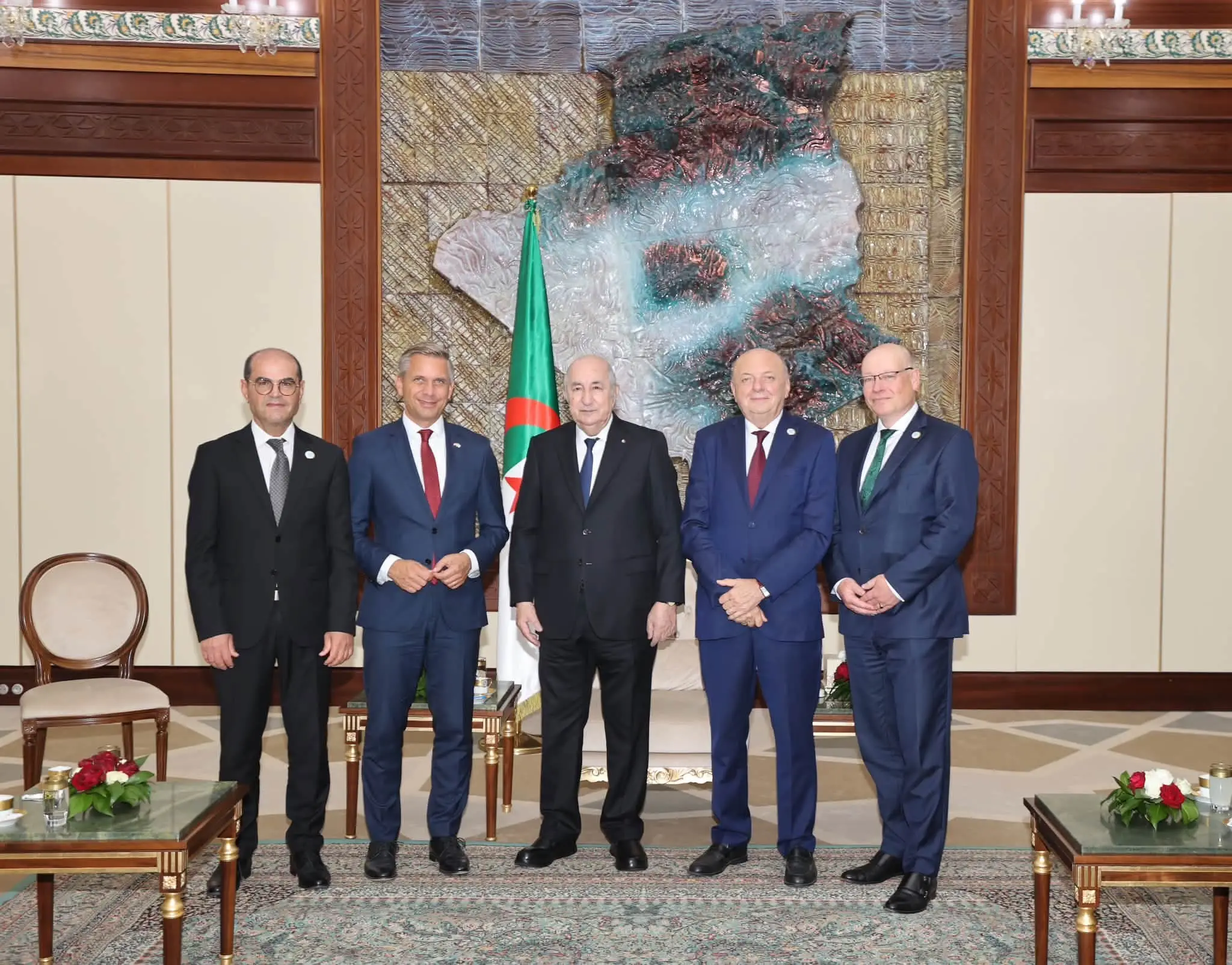
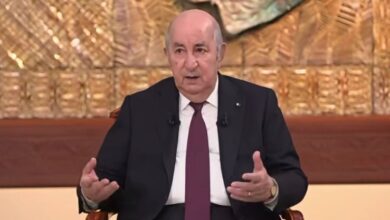
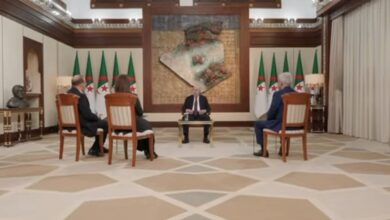
President Abdelmadjid Tebboune recently underscored the state's dedication to safeguarding citizens' purchasing power during his periodic media dialogue with national press representatives. He affirmed that ongoing efforts are geared towards strengthening non-hydrocarbon revenues, with projections indicating high foreign exchange reserves by 2031, aiming to bolster the nation's financial independence. The President also highlighted Algeria's advanced progress in digitalization and addressed recent increases in food prices, emphasizing the state's commitment to holding accountable those responsible for unwarranted inflation and noting the suspension of local officials in this regard.
Regarding foreign policy, President Tebboune reiterated Algeria's commitment to an independent stance and a free decision-making process, asserting that the nation will not compromise its relations with any major global power, including Russia, the United States, and China. This approach reflects a strategy of diversifying international partnerships while maintaining a clear margin for maneuver in its foreign policy. As an illustration of this sovereign decision-making, the President noted the technical landing of the Iranian President's aircraft in Algeria while en route to the UN General Assembly in New York, clarifying that such instances are managed based on air safety and humanitarian considerations, demonstrating Algeria's control over its airspace irrespective of political alignments.
On regional security matters, President Tebboune confirmed that Algeria dispatched two squadrons of four Sukhoi Su-30 combat aircraft to Niger on August 30. This deployment, undertaken at the request of the Nigerien command, aimed to support the Nigerien army following a failed coup attempt against the Niamey government. The President framed this action as a response to perceived provocations and emphasized that the stability of Algeria's immediate neighbors is intrinsically linked to its own national security, especially given the complex challenges facing the Sahel region.