State Prioritizes Purchasing Power, Diversification to 2031
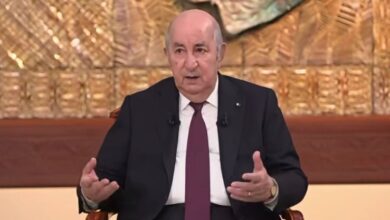
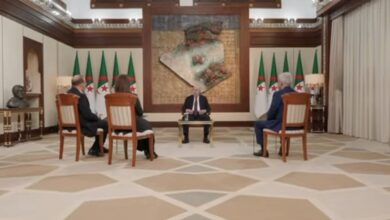
President Abdelmadjid Tebboune has reiterated the Algerian state's unwavering commitment to preserving the purchasing power of its citizens, designating it a national priority. During a recent media dialogue with national press representatives, President Tebboune affirmed that the state is actively working to fortify revenues from non-hydrocarbon sectors and solidify the foundations of economic autonomy. He further underscored that Algeria's foreign exchange reserves are projected to remain at a high level toward 2031, a perspective linked directly to efforts aimed at boosting non-hydrocarbon income. In the context of market stability, President Tebboune clarified that most farmers are not responsible for current price levels, emphasizing that those behind price increases must take accountability, consistent with the state's ongoing policy to combat speculation and unjustified market imbalances.
This long-term vision for economic independence, extending to 2031, involves a strategic reorientation of Algeria's economic model. Efforts include expanding productive sectors, fostering investment, and supporting emerging enterprises. The focus is on directing spending towards areas capable of generating new growth avenues outside the energy sector, particularly industry, agriculture, logistics, and the digital economy. The diversification strategy specifically highlights the importance of renewable energies, green hydrogen, digitalization, and processing industries to generate local added value, attract investment, and facilitate technology transfer, ultimately enhancing the national economy's resilience against external market fluctuations.
Complementing its economic reforms, Algeria has achieved an advanced stage in digitalization, a process intrinsically linked to modernizing public services and administrative efficiency. President Tebboune also affirmed Algeria's responsible stance in the international oil market, stating that the nation acts prudently and will adhere to any collective consensus. This approach underscores the country's commitment to stability within global oil cooperation frameworks, reflecting hydrocarbons' crucial role as a primary source of external revenue while simultaneously driving the push for diversified income streams.
On the international stage, President Tebboune reaffirmed Algeria's commitment to maintaining its friendly relations with Russia, the United States, and China. He emphasized that Algeria possesses "its pride and its free decision," signaling the nation's resolve to sustain a diversified foreign policy with multiple partners without being confined to a single axis. These interconnected policy directions—protecting purchasing power, strengthening economic autonomy through diversification, and maintaining broad foreign policy flexibility—collectively aim to transform these orientations into sustainable results, bolstering external resources and increasing the economy's capacity to navigate global market dynamics.