Global Support for Sahrawi Self-Determination Voiced at UN
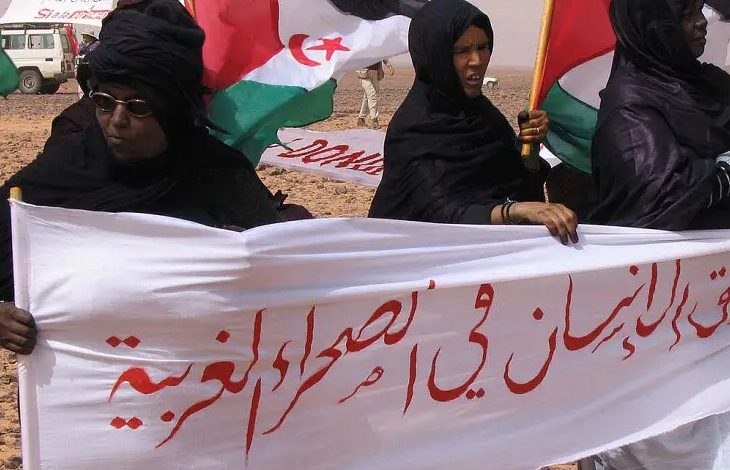
Strong international support for the Sahrawi people's right to self-determination was recently reaffirmed at the United Nations General Assembly. During the proceedings of the Fourth Committee, which addresses Special Political and Decolonization questions, several nations emphasized the inalienable right of the Sahrawi people to determine their own future. These calls underscored the imperative of adhering to international law and implementing relevant UN resolutions concerning decolonization.
Examining topics related to the elimination of colonialism, various countries voiced their principled backing for Sahrawi self-determination, consistent with UN General Assembly Resolution 1514. Namibia, for instance, highlighted that Western Sahara remains the last colonized territory in Africa and stressed the United Nations' responsibility to facilitate a just and lasting solution. The nation also expressed its support for the mandate of the UN Mission for the Referendum in Western Sahara (MINURSO) and the organization of a UN-supervised referendum.
Echoing similar sentiments, South Africa conveyed deep concern over the situation, asserting the paramount importance of the Sahrawi people's right to self-determination and emphasizing that international legality must form the bedrock of any solution. Cuba reiterated its solidarity, expressing deep concern that Western Sahara continues to be Africa's sole remaining colonial territory. Furthermore, Zimbabwe renewed its principled support for the Sahrawi people's inalienable right, noting their continued deprivation of the ability to freely determine their political status in accordance with the UN Charter and resolutions from both the UN and African Union. Mexico, Angola, and Russia also reaffirmed their positions, calling for a just and durable political resolution that respects the Sahrawi people's right to self-determination, while recognizing MINURSO's contributions to regional stability.