Algerian Finance Law Targets Purchasing Power, Development
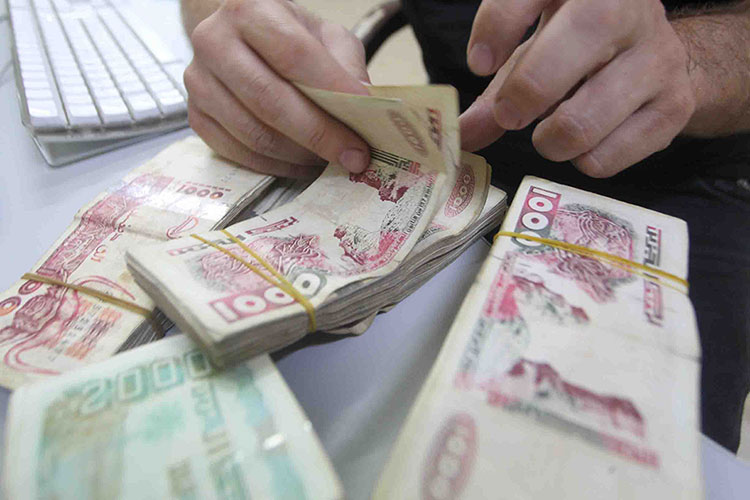
Algeria's Finance Law 2027 represents a critical step in the nation's economic and social revival, embodying the state's steadfast commitment to safeguarding citizens' purchasing power and enhancing their living standards. Despite a complex international environment marked by geopolitical tensions and global market fluctuations, the government continues to reinforce financial stability through a range of tax and social measures. The law outlines a comprehensive strategy to stimulate productive investment, support emerging enterprises, and expand the digital economy beyond the hydrocarbon sector, alongside modernizing crucial administrative functions.
A significant focus of the Finance Law 2027 is direct citizen support, evident in substantial allocations totaling 717.7 billion dinars for essential consumer products such as cereals, milk, desalinated water, energy, sugar, oil, and coffee. Measures include extending the Value Added Tax exemption until December 31, 2029, for imported dry legumes and rice, as well as locally produced fresh fruits, vegetables, chicken, and turkey, aiming to stabilize prices and reduce consumer costs. Furthermore, the law introduces a comprehensive housing program comprising nearly two million units across various schemes, with financial relief measures such as the public treasury covering loan interest during deferral periods and a 100 percent interest rate reduction on public bank loans for 300,000 lease-to-own housing units in 2027.
The law also addresses human resources and public sector investment with considerable allocations. Proposed personnel expenses reach 5.916.83 billion dinars, reflecting the evolution in employee numbers, legal promotions, new recruitments, and adjustments to compensation systems. This includes the creation of over 125,000 new positions for 2027, primarily in vital sectors such as national education, health, and higher education. Public investment is allocated 3.825.4 billion dinars, with a significant portion directed towards completing ongoing projects and initiating new operations in infrastructure, housing, irrigation, and agriculture.
Moreover, the Finance Law 2027 underscores economic modernization through accelerated digital transformation and the modernization of key administrations, including customs and tax services. This shift towards integrated digital systems aims to streamline transactions for citizens and businesses, enhance financial transparency, and combat tax evasion through measures like electronic customs declarations and remote tax payments. Projected state budget revenues for 2027 are 9.251.1 billion dinars, an increase driven by improved non-hydrocarbon revenues and strengthened tax collection, aligning the financing of social and economic priorities with the sustainability of public finances amid global market volatilities.