Clinico-Biological Consultation Aims to Enhance Patient Care
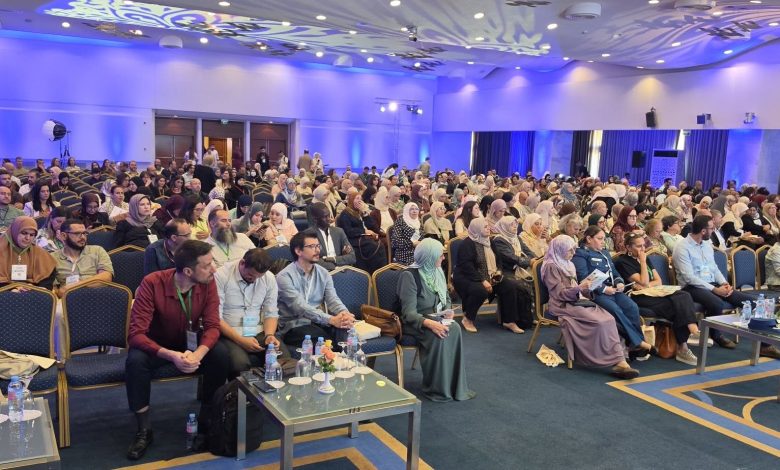
The 5th edition of Salamdays 2026, organized by the Algerian Syndicate of Medical Analysis Laboratories (Salam) in Algiers, has brought together over 600 professionals and experts. This significant event aims to underscore the vital importance of clinico-biological consultation, which is considered essential for adapted and pertinent patient care. Professionals attending include medical biologists, doctors, academics, researchers, and representatives from the diagnostic industry, engaging in discussions on scientific advancements and professional practices.
The primary objective of this reinforced consultation is to limit interpretation errors in medical analyses and to guide therapeutic decisions effectively. Dr. Ali Bendjamaa, President of Salam, emphasized that a lack of communication between the treating physician and the biologist can lead to misinterpretations and potentially inappropriate medical decisions. He highlighted the complementary roles of these professionals, stating that biological results can only be correctly interpreted when the full medical context is considered, including the patient's history, symptoms, and current medications, which can influence analyzed parameters.
Sharing information is deemed crucial for a faster and more precise care pathway. By cross-referencing clinical and biological data, this collaborative approach helps to prevent unnecessary patient procedures and ensures more suitable treatment. Furthermore, ongoing efforts include the development of a national guide for good laboratory practices, which seeks to establish minimum requirements for quality control, analysis execution, and result validation, thereby harmonizing practices and consolidating the reliability of examinations. The digitalization of health data, particularly the development of digital medical records, is also anticipated to enhance information sharing between physicians and biologists, offering a more complete view of results within their clinical context and further strengthening cooperation among healthcare professionals in Algeria.