New Agricultural Plan Aims for 2027 Food Self-Reliance
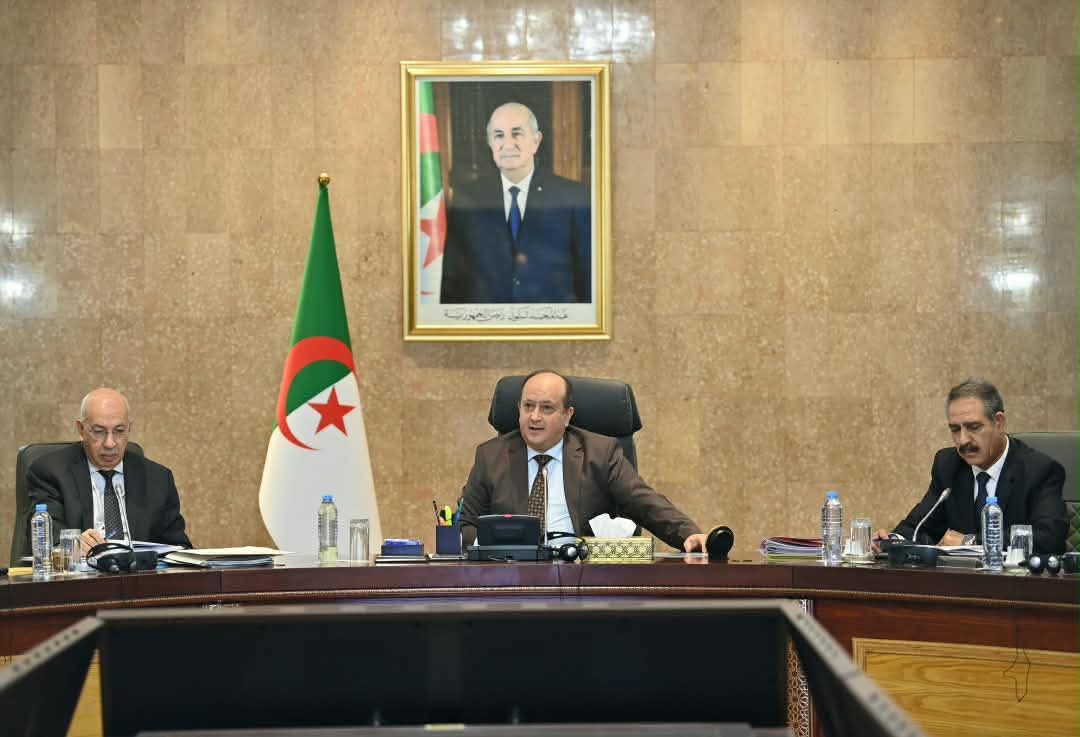
President Abdelmadjid Tebboune announced Algeria's strategic objective to achieve food self-sufficiency in cereals and various other products by the end of 2027. This ambitious goal is a cornerstone of a broader national economic transformation aimed at strengthening domestic production, significantly reducing imports, and diversifying the economy beyond hydrocarbon reliance. The agricultural sector currently contributes 15% to the nation's Gross Domestic Product, highlighting its pivotal role in this economic shift.
To realize this objective, a multi-faceted agricultural strategy is being implemented. Key initiatives include the establishment of a state-affiliated entity responsible for purchasing surplus agricultural products from producers, ensuring their proper storage, and facilitating redistribution based on market demands. Concurrently, the government is overseeing a program for the rehabilitation and development of wastewater treatment plants, aiming to utilize 60% of treated wastewater for agricultural irrigation. This effort is a crucial component of Algeria's comprehensive water security vision, designed to relieve pressure on traditional water resources and support sustainable economic and social development.
Further reinforcing the national food security agenda, the National Seed Bank has been activated. This institution represents a new foundation for sustainable agricultural development and plays a vital role in preserving genetic resources and plant heritage. Its establishment is part of Algeria's commitment to enhancing biodiversity protection and ensuring the long-term viability of its agricultural sector. These measures collectively underscore Algeria's dedication to building a robust, self-reliant economy capable of meeting the needs of its citizens.