Niger, Tanzania, Senegal Tap Algerian Development Expertise
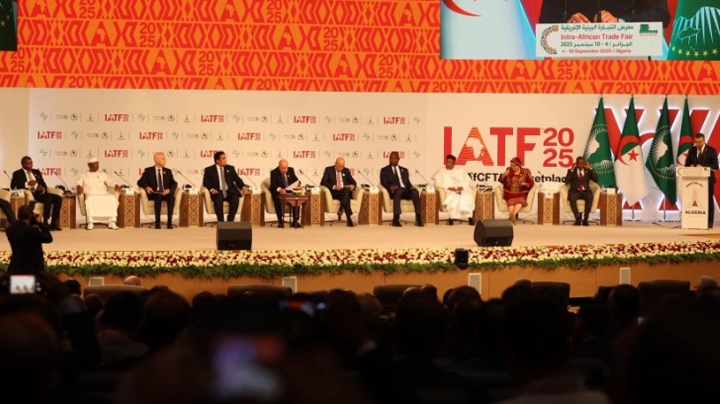
Algeria is a dynamic force in Africa, utilizing its pioneering experiences in various fields to foster continental development and integration. This reflects a strategic approach focused on deploying national expertise, knowledge exchange, and building productive partnerships. With its technical, industrial, and scientific capabilities, Algeria acts as a capable partner in addressing development challenges. Key sectors for transferring Algerian expertise include energy, university training, and local production, linking continental cooperation with actual needs through initiatives aimed at strengthening inter-African partnerships.
A practical example of national expertise's value in technical challenges is the Algerian-Nigerien cooperation in the hydrocarbons sector. Following an incident at the "Gommeri W-8" oil well in Niger's Agadem field, Nigerien authorities sought assistance from Algerian experts for assessment and technical solutions. Reports from "ActuNiger" and "Journal du Niger" confirmed that Algerian technicians from Sonatrach arrived at the site after technical meetings in Niamey, contributing their expertise to manage the incident and supporting efforts to contain it. Furthermore, Algeria is investing in human capital development; in Tanzania, 176 university opportunities were offered to Tanzanian students, with 150 selected by the Tanzanian government to pursue studies in science, technology, engineering, and health sciences, as reported by "The Citizen."
Algerian expertise also garnered official praise in Tanzania's pharmaceutical sector. Tanzania's Ministry of Health, in an October 5 statement, indicated that its Permanent Secretary, Grace Maghembe, discussed cooperation in drug production, health products, technology transfer, and investment with a delegation from Algeria's Ministry of Pharmaceutical Industry and "Frater Razes" representatives. In West Africa, Algerian-Senegalese partnership aims to boost economic and institutional cooperation, with the Senegalese "Goople Institute" noting 15 signed agreements. This reflects a shared commitment to invigorating bilateral ties, further highlighted by the 6th session of the Algerian-Senegalese Grand Joint Commission in October, covering energy, mines, geology, investment, and higher education.
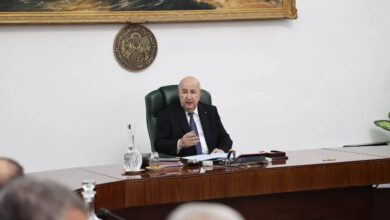
The dynamism of Algerian-African partnerships also extends to relations with South Africa. A visit by South African Minister of International Relations and Cooperation, Ronald Lamola, to Algeria, advanced bilateral cooperation in trade, energy, minerals, and investment. The African trade platform "TRALAC" emphasized expanding exchanges to include pharmaceuticals, agriculture, scientific research, technology, and artificial intelligence, showcasing the diverse potential of these partnerships. This overarching approach reflects President Abdelmadjid Tebboune's commitment to establishing African partnerships built on integration and mutual benefits, leveraging Algeria's comprehensive expertise to solidify its role as an active partner in supporting African development and integration.