

President Tebboune Directs National Water Security Strategy
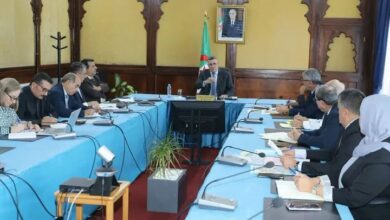
President Abdelmadjid Tebboune has emphasized the critical need for enhanced national water security, directing the government to tighten controls on well drilling permits and safeguard groundwater resources from unregulated exploitation. This strategic imperative is set to be integrated into the draft agricultural orientation law currently under preparation. Concurrently, the President underscored the priority of supplying desalinated seawater to the provinces of Chlef, Mostaganem, and Tlemcen, with potential expansion to other regions to be considered based on local capacities.
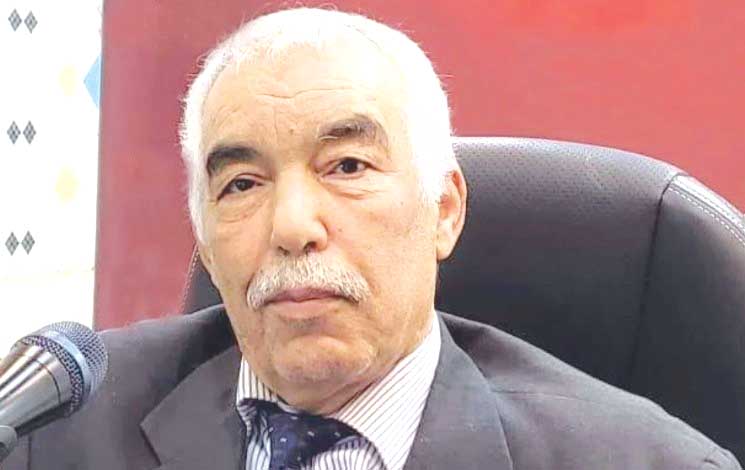
Agricultural expert Lâli Boukhalfa affirmed that protecting water resources and rationalizing their use are foundational pillars for ensuring both water and agricultural security. He advocated for rigorous studies to underpin well drilling licenses, ensuring alignment with the actual needs of agricultural operations. Boukhalfa highlighted that expanding smart irrigation techniques could yield water savings exceeding 50 percent. Furthermore, he recommended valuing and directing treated water towards agricultural and industrial uses to conserve traditional water sources. Algeria possesses diverse water resources, including 83 dams with a capacity of eight billion cubic meters, over 270 wastewater treatment plants capable of processing one billion cubic meters, and significant groundwater reserves, notably 50 trillion cubic meters in the South, in addition to 19 desalination plants primarily for drinking water.
The expert underscored that climate change necessitates the adoption of a robust policy for water conservation and rational consumption, particularly within the agricultural sector, which accounts for approximately 70 percent of national water usage. The new agricultural orientation law is expected to incorporate clear measures to regulate water use in agriculture, balancing increased production with resource preservation. The President's directive regarding well drilling control aims to organize groundwater exploitation, ensuring licenses are granted based on actual needs and monitored effectively. Water allocation priorities will focus on providing drinking water for citizens first, followed by agricultural needs, especially for strategic crops, and then industrial requirements.



One Comment