African Regions Lead Global Disaster Resilience Gains, Algeria Contributes
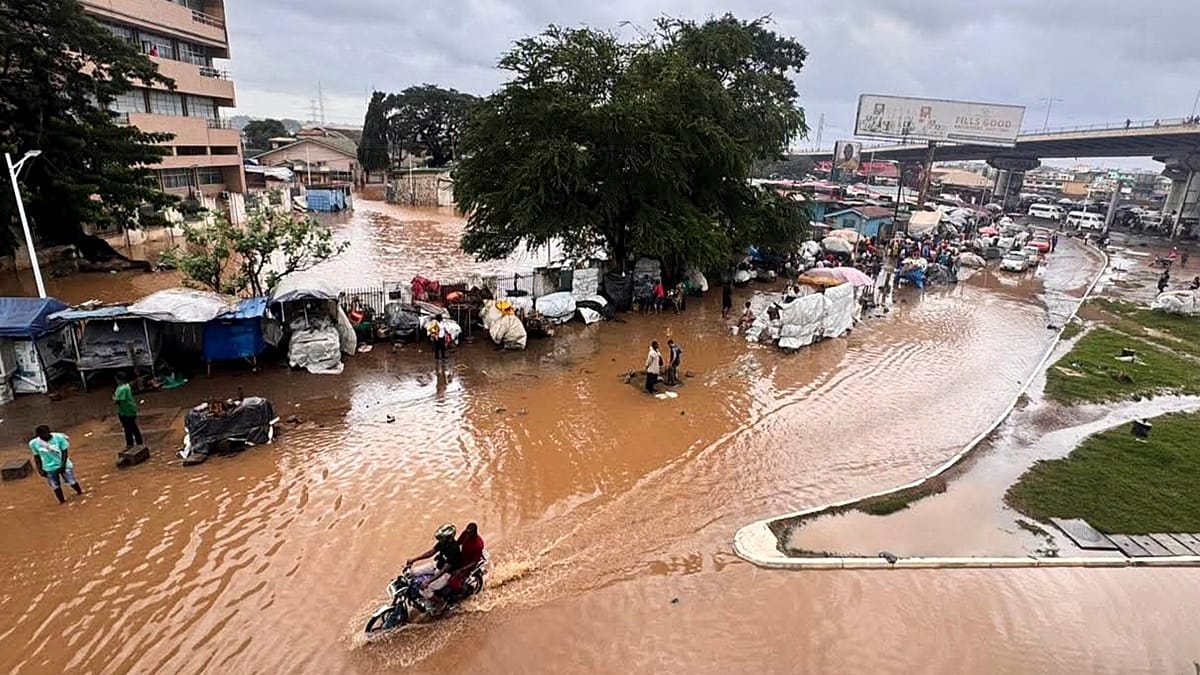
African regions have achieved the world's most rapid advancements in disaster resilience, according to findings from a major new global study. Research conducted by Lloyd's Register Foundation indicates that since 2023, African populations have shown the greatest increase in their capacity to withstand and recover from significant disruptions and disasters. Notably, North Africa recorded a five-point increase in its resilience index, signaling substantial progress.
These gains were propelled by several factors across various countries, including Algeria. Expanding internet access, improved household preparedness, and enhanced financial resilience were key drivers of this positive trend in nations such as Algeria, Kenya, Egypt, Uganda, and Nigeria. The study highlights that increased internet availability aids individuals in accessing information about potential hazards, while better household preparedness strengthens their ability to respond effectively to emergencies.
The insights are derived from the fourth edition of the World Risk Poll, which surveyed over 143,000 people across 140 countries and territories in 2025. This comprehensive assessment, carried out by Gallup, measures people's capacity to absorb and recover from major shocks on a scale of 0 to 100. The Resilience Index considers four crucial areas: individual resilience, household preparedness, community support, and broader societal conditions. Globally, societal resilience, which includes public trust in national institutions, saw an increase from 63 points in 2021 to a record 66 points in 2025, underscoring collective efforts towards a more resilient future.