Ancient Rock Art, Geology Define Tassili n’Ajjer UNESCO Site
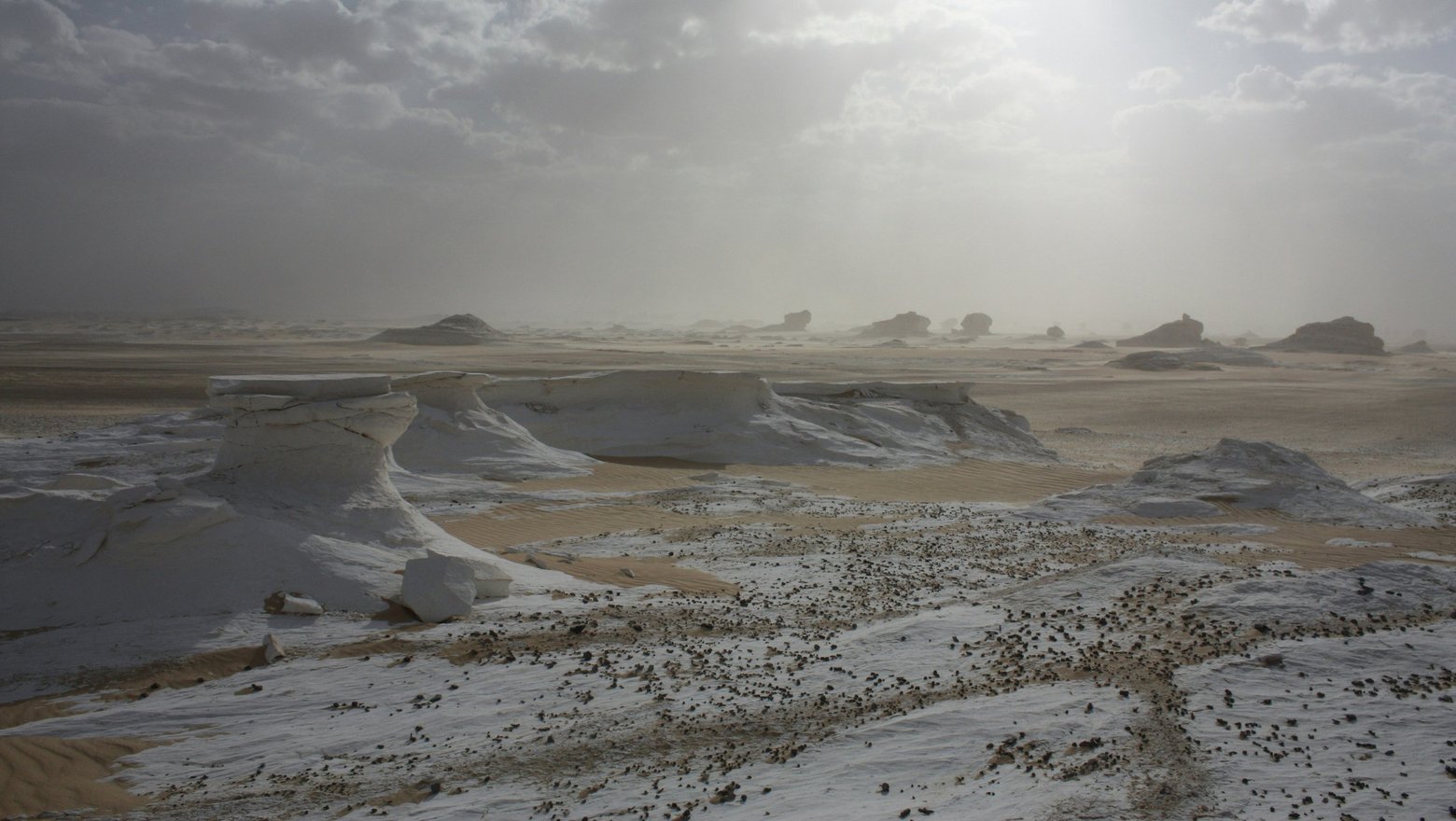
Algeria's Tassili n'Ajjer plateau, located in the southeastern Sahara Desert, stands as a globally recognized UNESCO World Heritage site. Designated in 1982, this remarkable region integrates astonishing geological formations, ancient rock art, and a distinct ecosystem. Its preservation underscores Algeria's commitment to safeguarding invaluable natural and cultural treasures for future generations and highlights the nation's profound historical depth.
The plateau is home to more than 15,000 rock drawings and engravings, dating from 6000 BCE to the 7th century CE. These extensive artworks provide a vivid chronicle of ancient life, illustrating hunting scenes featuring animals such as elephants, rhinoceroses, giraffes, and hippopotami. They also depict human figures, domesticated animals including sheep, cows, and goats, along with scenes of ritual dances and enigmatic floating figures, offering unparalleled insights into the early societies that inhabited this area.
Beyond its cultural significance, Tassili n'Ajjer boasts a breathtaking natural landscape characterized by its unique geology. Visitors can explore over three hundred natural arches, dramatic "stone forests" composed of sharp rock formations, deep gorges, numerous caves, and wadis—ancient riverbeds that bear witness to past climates. These fantastical landscapes, combined with the plateau's rich historical narrative, solidify Tassili n'Ajjer's status as a premier destination showcasing Algeria's diverse heritage.