Baladna Algeria Prepares November 2026 Arrival of 30,000 US Dairy Cows
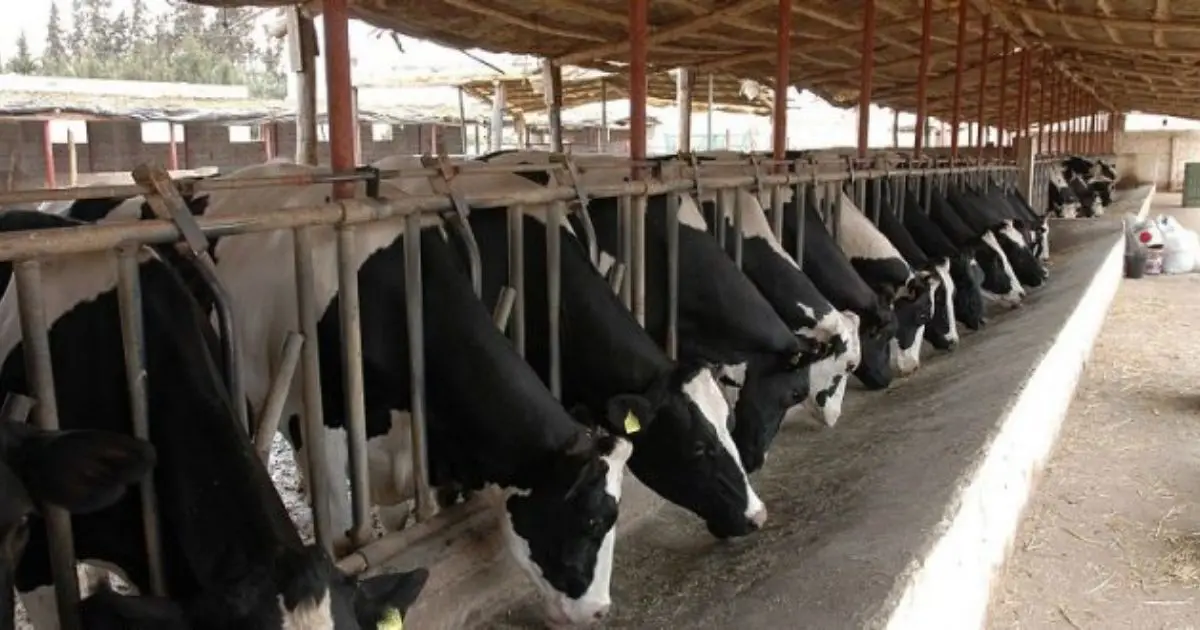
Baladna Algeria is advancing preparations for the arrival of 30,000 American dairy cows by airlift, with operations scheduled to commence in November 2026. This marks the second phase of a major integrated agro-industrial project, with this stage involving contracts valued at over $635 million and a total estimated investment of $3.5 billion. Intensive preparations are underway at Adrar airport, including logistical simulations and coordination efforts, to ensure the optimal reception of the livestock. The plan entails transporting 30,000 dairy heifers from nine American states, aiming to establish the core of a larger herd that will eventually reach 270,000 Holstein-Friesian cattle through 109 cargo flights over ten months.
At its peak production capacity, the complex is projected to supply approximately 200,000 tons of powdered milk annually. This output is expected to cover nearly 50% of Algeria's national market needs, given the country's current annual import volume of around 400,000 tons of powdered milk. The project, deployed over 117,000 hectares, holds strategic significance for Algeria by substantially reducing its import bill and enhancing national food sovereignty. It is a partnership between the Qatari firm Baladna and the Algerian state, represented by the National Investment Fund (FNI).
Beyond the livestock import program, this second phase encompasses significant civil engineering works, the installation of a concrete plant, and the construction of essential accommodation and service infrastructure to facilitate the commencement of production. The initiative is based on a comprehensive vertical integration model, spanning from fodder cultivation and cattle breeding to the industrial transformation of milk into powdered milk. Agricultural experts note that the project's success will depend on adapting these bovine breeds to the arid Saharan climate, ensuring a continuous supply of quality green fodder and water, and implementing modern hygiene and veterinary monitoring protocols. This integrated approach is anticipated to generate thousands of direct and seasonal jobs across the agriculture, industry, transport, and services sectors, while also promoting the transfer of local skills in intensive livestock farming and agro-industry.