CISSA Regional Meeting Convenes in Algiers Under Sahrawi Presidency
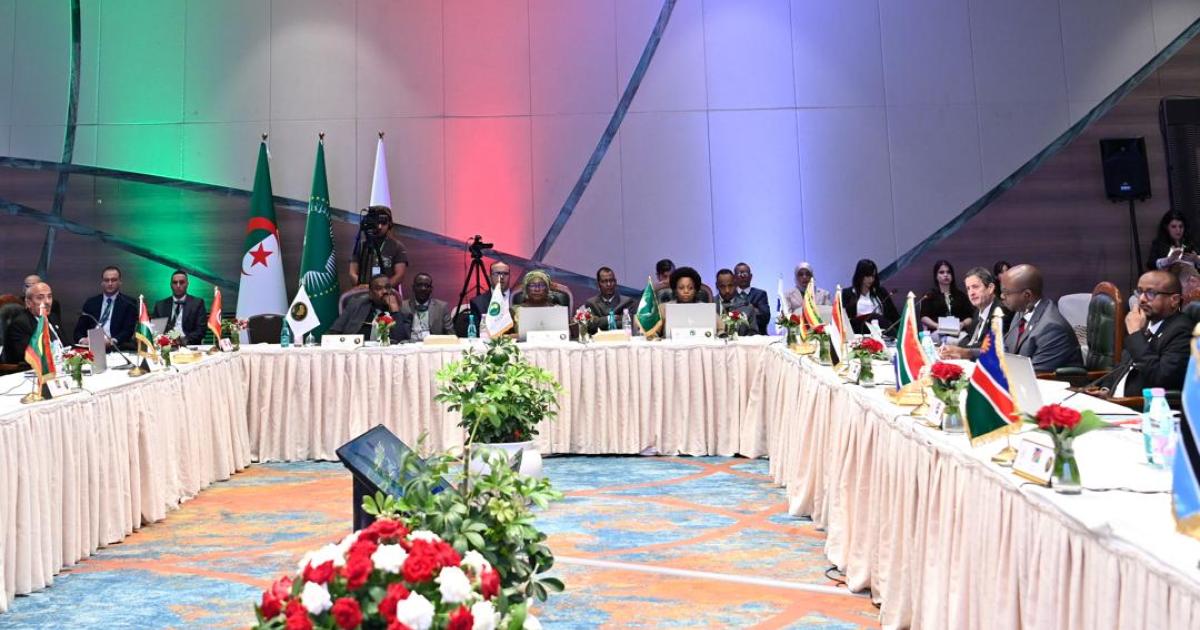
The Committee of Intelligence and Security Services of Africa (CISSA) for the North Africa Region convened its Directors General meeting in Algiers. The session was officially opened under the chairmanship of Prime Minister Bouchraya Hammoudi Bayoun of the Sahrawi Arab Democratic Republic, who represented Sahrawi President Brahim Ghali. The Sahrawi Republic currently holds the presidency of the regional office for CISSA this year, making its leadership central to the proceedings.
The regional workshop focused on the critical issue of drug proliferation and consumption within North Africa, alongside its broader implications for regional security. Participating officials included Directors General of intelligence and security services from Algeria, Libya, Egypt, Mauritania, the Sahrawi Republic, and Tunisia. High-level representatives from Botswana, Zimbabwe, Sudan, South Africa, and Namibia also attended, joined by the CISSA Executive Secretariat and various specialized African mechanisms.
In his address, Prime Minister Bayoun underscored that the battle against drug scourge is fundamental to protecting individuals, safeguarding families, and preserving societal security. He highlighted that robust security approaches remain an essential element in confronting drug trafficking networks, curtailing their promotion, intercepting smuggling operations, drying up funding sources, and dismantling their operational cells. The National Director of Security and Documentation and Protection of Institutions for the Sahrawi Republic, Hamma Malou, further stressed the necessity for enhanced cooperation among regional states given the profound security and political transformations across the African continent, noting the significant role of the drug trade in financing terrorism and organized crime.
Malou also pointed out North Africa's geographical vulnerability, which links West Africa, Europe, and the Middle East, making it particularly susceptible to the activities of international smuggling networks. The discussions among the participating Directors General aimed to thoroughly examine the challenges posed by drug proliferation and consumption in the region, as well as to review and adopt decisions emerging from the recommendations previously established during expert committee meetings.