Endometrial Cancer Management Aligns with Global Standards
Algeria is adopting a new era of risk-adapted care for endometrial cancer, with its updated 2026 Guides Thérapeutiques en Oncologie Médicale now integrating molecular classification alongside anatomical staging and pathology. This significant shift positions Algerian medical practice to align with global standards in cancer management, moving beyond treatment decisions driven primarily by surgical stage and histological subtype alone. The comprehensive guideline incorporates the FIGO 2023 staging system and a molecular approach to classification, recommending MMR assessment across endometrial cancer, while POLE and p53 assessments contribute to molecular risk stratification.
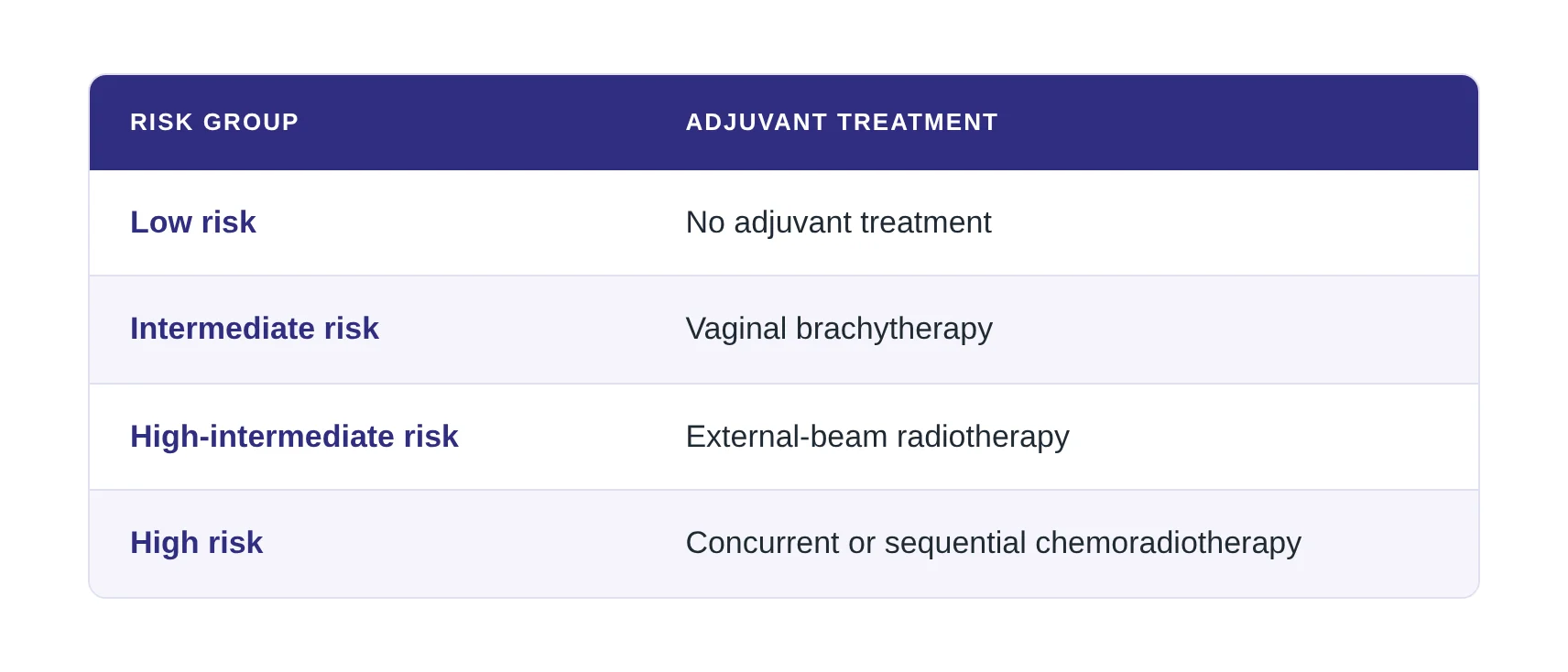
This molecular classification is designed to influence patient prognosis and the intensity of adjuvant treatment, enabling the identification of individuals who may safely avoid unnecessary therapies or, conversely, those who require more intensive intervention. While surgery remains a cornerstone of treatment for localized endometrial cancer in Algeria, with total hysterectomy and sentinel lymph-node mapping as reference procedures, the new guidelines move away from a uniform postoperative strategy. Instead, patients are categorized into risk groups, and treatment is adapted accordingly, ensuring more precise care. Endometrial cancer ranks 14th in Algeria, with an incidence of 2.7 per 100,000 inhabitants, primarily affecting postmenopausal women between 60 and 65, according to the National Cancer Registry Network (2022).
The integration of molecular oncology also has broader implications, including the recommendation for genetic counseling when MMR results suggest Lynch syndrome, thereby connecting tumor classification, treatment selection, and hereditary cancer assessment. Furthermore, the 2026 guideline recommends immune checkpoint inhibitors for advanced endometrial cancer based on MMR/MSI status, marking a notable evolution in therapeutic strategies. The infrastructure required for this precision oncology is developing, with next-generation sequencing (NGS) capabilities recently installed at University Hospital Blida and University Hospital Mustapha, offering free testing for patients. While immunohistochemistry and PCR testing for common cancer types are more broadly available, expanding full molecular classification nationwide will necessitate continued investment in diagnostic capacity and multidisciplinary expertise beyond these initial two centers.