Expert Deems Solar Lighting for East-West Highway Feasible
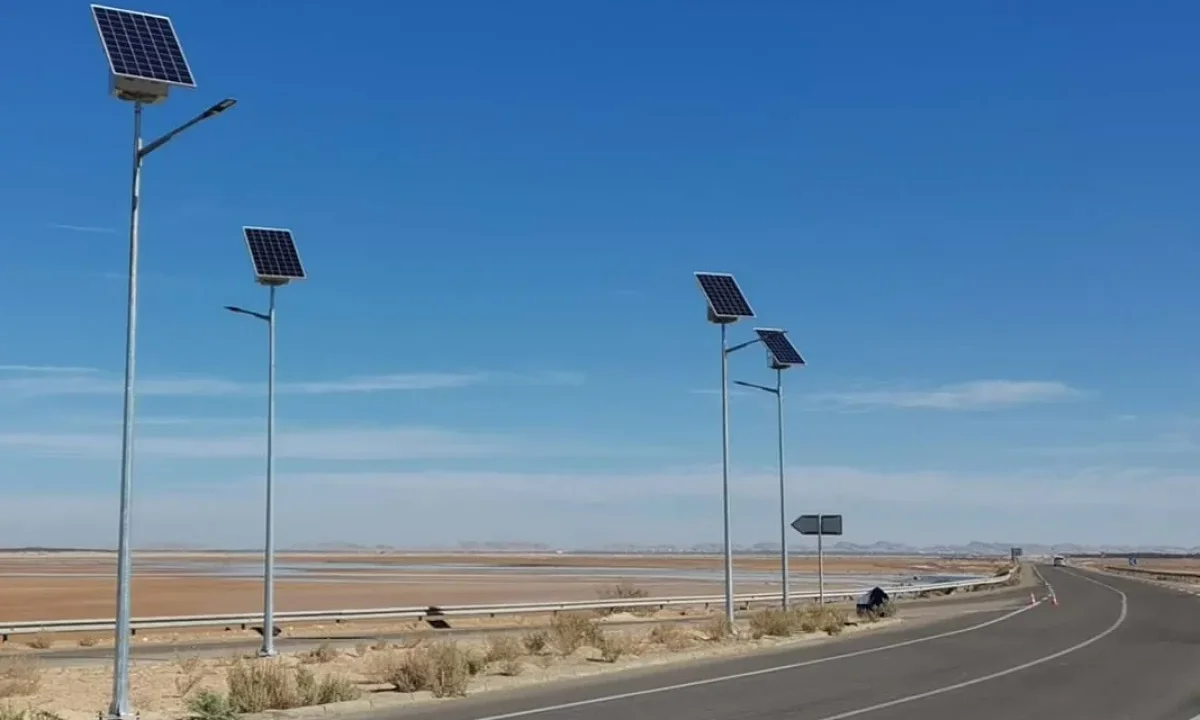
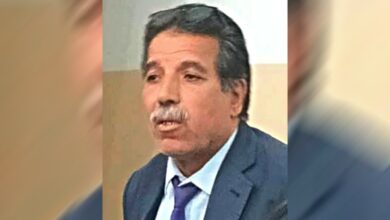
Pr Azzedine Soudani, director of the Laboratory of Applied Energy Physics (LPEA) at the University of Batna 1, has deemed the solar illumination of Algeria's East-West highway to be “perfectly feasible” from a technical standpoint. He emphasized that the energy transition is an urgent necessity, economically, environmentally, and geopolitically. Algeria possesses a significant natural advantage for such an undertaking, benefiting from over three thousand hours of sunshine per year and an exceptional daily solar irradiation ranging from 5.5 to 6.5 kWh per square meter.
The expert outlined a plan involving approximately 40,000 streetlights, to be installed every 30 meters along the 1,200-kilometer highway, each providing 20 to 50 lux of illumination. Each streetlight would be equipped with a 100 to 200 Wc photovoltaic panel and a lithium or gel battery designed to operate for two to three nights. A 150 Wc panel alone is capable of producing 600 Wh daily, sufficient to power LED lighting for ten to twelve hours. This autonomous system, estimated at an average cost of 30 million euros, requires minimal maintenance and incurs zero energy consumption costs post-installation.
This ambitious project represents more than just public lighting; it signals a fundamental shift towards energy intelligence and moving beyond a consumption-based economy. Beyond the direct benefits of reduced carbon emissions and enhanced road safety, the initiative offers significant economic advantages, including alleviated public expenditure and the fostering of a domestic photovoltaic industry. This development would create opportunities for Algerian engineers, technicians, researchers, and national enterprises, leveraging the nation's vast territory, high solar potential, qualified youth, and strategic geographical position to secure long-term prosperity.