Five New Mayfly Species Discovered in Northeastern Algeria
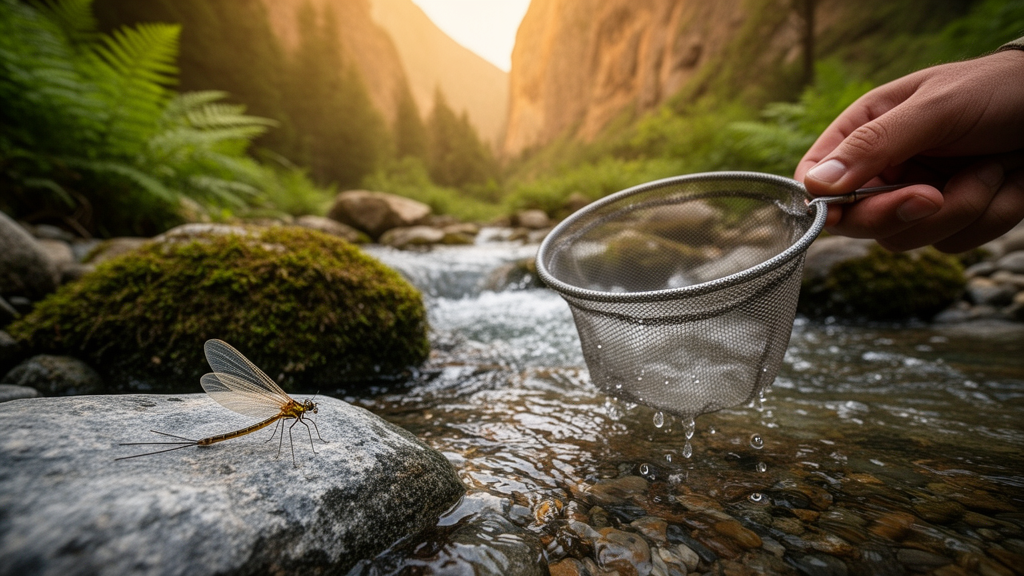
Scientists have identified five new species of mayflies from the genus Habrophlebia in the mountain streams of northeastern Algeria. This significant discovery, detailed in a recent study, highlights the region's rich freshwater biodiversity and establishes northeastern Algeria as a major diversification center for the genus within the Mediterranean basin. All five new species are apparently confined to specific massifs in the country's northeast, contributing to an expanded understanding of endemic species in the Maghreb, where the number of recognized Habrophlebia species has now increased from nine to fourteen.
The research, which involved intensive surveys across rivers and streams in northeastern Algeria between 2018 and 2022, integrated both molecular and morphological evidence to untangle the true diversity of Habrophlebia. Northeastern Algeria, particularly the Numidia region, has gained recognition as a hotspot for freshwater biodiversity, providing a refugium for various cold-adapted mountain species and Afrotropical relicts. The newly described species have been named in honor of Algerian geography and history, including Habrophlebia callensis, after El Kala; H. ghora, after Mount Ghora; H. seybouse, after the Oued Seybouse; H. annaba, after the city of Annaba; and H. edough, after the Edough massif.
This pattern of microendemism is attributed to the mayflies' limited dispersal capabilities, their short adult lifespans, and a preference for headwater streams at elevations between 200 and 900 meters. These factors foster allopatric speciation within isolated montane refugia. Consequently, the genus Habrophlebia now comprises 19 West Palaearctic species, with 14 of them exclusively found in the Maghreb. This concentration of endemism is not unique to mayflies in the region, extending to other aquatic insects such as caddisflies and stoneflies, as well as various vertebrates.
The study also underscores the ecological importance of these findings, suggesting that Habrophlebia species, due to their persistence in isolated, undisturbed headwater streams, can serve as reliable bioindicators for relict mountain ecosystems. Given the escalating anthropogenic pressures on North African wetlands, which provide essential ecosystem services, discoveries like these are crucial for sharpening future monitoring efforts and supporting conservation strategies for the Maghreb's invaluable freshwater species.