National Economy Strengthens with Targeted Import Regulation Policy
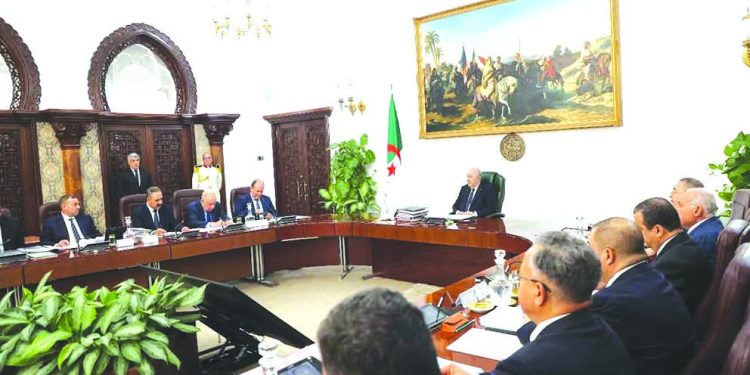
Algeria has implemented an import regulation policy, according to economist Abdel Nour Gachi, primarily to protect foreign exchange reserves and rationalize hard currency expenditures. This strategic approach directs financial resources towards productive sectors, aiming to enhance the national economy, support local institutions, and encourage national production, thereby reducing reliance on foreign markets. The President of the Republic confirmed during a regular media meeting that "auditing operations to regulate imports enabled us to discover fraud attempts by some economic operators," underscoring the importance of these measures in uncovering violations and curbing practices detrimental to the national economy, especially through enhanced oversight of import operations.
Gachi clarified that regulating imports does not signify closing the market or limiting trade exchanges. Instead, the policy is designed to organize import operations and direct them towards the genuine needs of the national market. Priority is given to essential raw materials, industrial equipment, and goods that contribute directly to increasing local production. This policy also distinguishes between economic operators who import necessary materials and equipment to support their productive activities and those who rely on imports primarily for quick profits without contributing substantial added value to the national economy.
Encouraging and protecting productive institutions from obstacles is expected to contribute to wealth creation, job opportunities, and further reduce dependence on external markets. The expert emphasized that directing investments towards local production is crucial for enhancing the national economy's competitiveness and its capacity to meet market demands. Furthermore, oversight of import operations has become essential to combat false declarations, unjustified invoice inflation, detect fictitious companies, and prevent attempts to circumvent trade and customs procedures, which otherwise drain hard currency and deprive the national economy of valuable resources.
To enhance transparency and improve monitoring of commercial transactions, digitization and information exchange among various administrations and bodies are critical. These measures enable the tracking of import operations and early detection of imbalances, facilitating more precise and effective decision-making. The success of this import regulation policy is measured not merely by a reduction in imported goods volume, but by its contribution to increased national production, growth in non-hydrocarbon exports, and the conversion of hard currency expenditures into value-adding investments that bolster the competitiveness of Algerian enterprises.