Niamey Prepares for Algeria-Niger Security, Development Talks
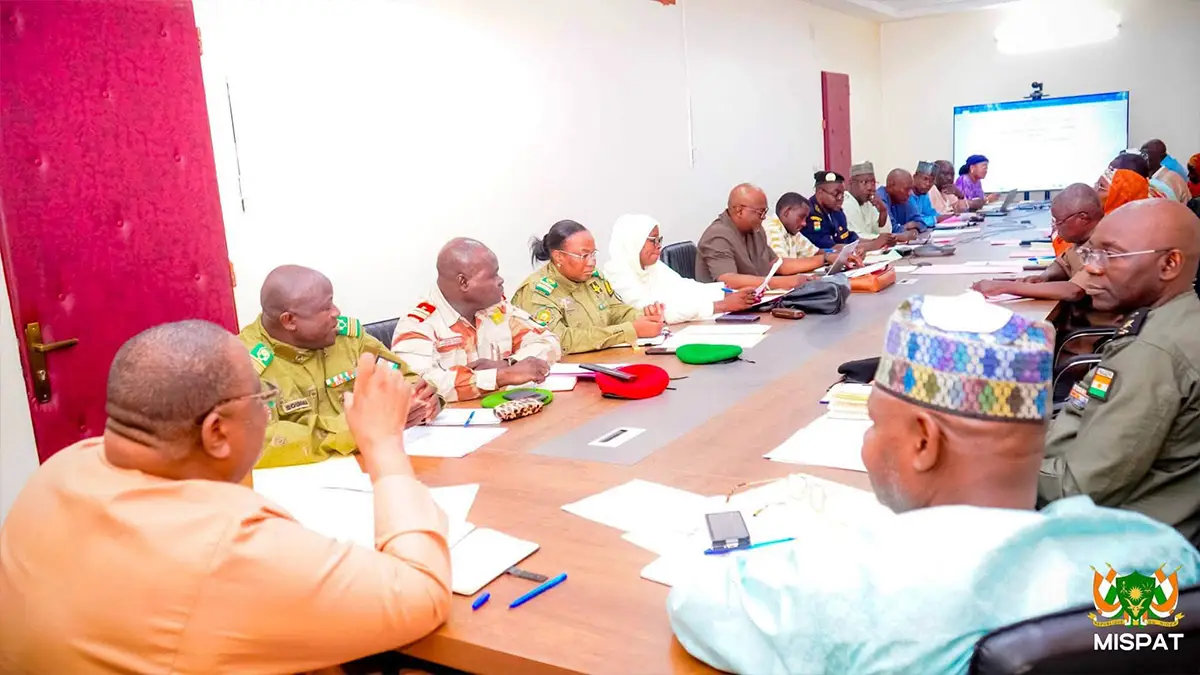
Preparations are underway for the eighth session of the Algerian-Nigerien bilateral border commission, expected to convene in Niamey. This gathering is a key step in both nations' efforts to bolster border cooperation and improve coordination on matters of mutual interest, with a primary focus on security and development.
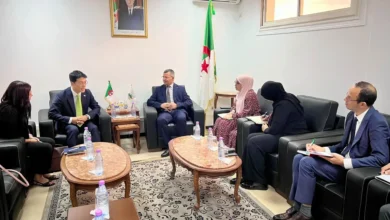
The Algerian Ministry of Interior, Local Authorities, and Urban Planning recently hosted a coordination meeting. Representatives from various ministerial sectors participated to assess the implementation of recommendations from the previous session and to organize the agenda for the upcoming discussions. This proactive approach aims to facilitate the follow-up of relevant dossiers and synchronize efforts across participating sectors, reinforcing bilateral relations through established consultation and cooperation mechanisms.
The anticipated session holds significant importance for overseeing joint agreements and recommendations, evaluating their practical execution, and identifying strategies to overcome potential implementation challenges, thereby enhancing the effectiveness of field cooperation. The seventh session of the commission was previously held in Algeria in October 2021, and both sides subsequently agreed to reactivate this bilateral mechanism. Cooperation between Algeria and Niger extends beyond security concerns to encompass economic and developmental dimensions, acknowledging the vital role of border regions in regulating the movement of people, fostering commercial exchanges, boosting local economic activities, and improving residents' living conditions.
The eighth session is expected to provide an opportunity to review the progress of cooperation to date and to define future priorities. This will further strengthen coordination among the concerned departments and support collective endeavors aimed at ensuring border security and addressing regional challenges. These ongoing preparations underscore Algeria and Niger's commitment to advancing their bilateral cooperation through institutional frameworks that ensure the continuity of agreed commitments and solidify coordination on shared issues, ultimately serving the stability of both countries and strengthening good neighborly relations and regional cooperation.