New Startup Planned for Water Treatment and Desalination

Dr. Noureddine Nasrallah, a process engineering specialist at the Houari Boumediene University of Science and Technology's Reactions Engineering Laboratory, has affirmed the laboratory's commitment to developing entirely Algerian scientific and technical solutions for water treatment, purification, and desalination. This initiative seeks to reduce reliance on external solutions and harness national expertise to address pressing water security challenges and the impacts of climate change.
The Reactions Engineering Laboratory, which holds a top ranking in the "QS" classification, engages in collaborative relationships with various international laboratories, including those in Canada and at the French Universities of Rennes and Rouen. These partnerships facilitate scientific research exchange and joint PhD supervision, often resulting in dual Algerian and foreign diplomas. This collaboration is viewed as a means to transfer technology and exchange knowledge, with international peers acknowledging the laboratory's advanced capabilities.
The laboratory is actively working to translate its research into practical, 100% Algerian projects. A new specialization in seawater desalination for drinking water purposes is being introduced, with the explicit goal of developing these solutions domestically without recourse to international consulting firms. Furthermore, preparations are underway to establish a startup company within approximately one month, dedicated specifically to water purification, underscoring the ambition to implement national innovations on a broader scale.
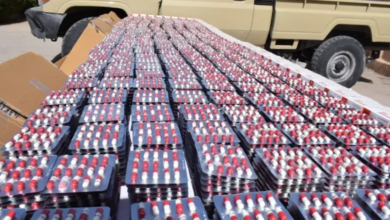
Researchers at the laboratory are also focusing on projects such as the removal of pharmaceutical pollutants from water, utilizing renewable energy technologies. Algeria's abundant natural resources, particularly solar energy, are seen as a significant advantage for developing cost-effective and sustainable water treatment solutions, distinguishing its approach from nations where such technologies might incur higher costs. The nation's human and scientific competencies are highlighted as critical assets in achieving these goals and fostering coordinated efforts among national laboratories.