State Budget Commits DA 62 Billion to Water Security via Desalination
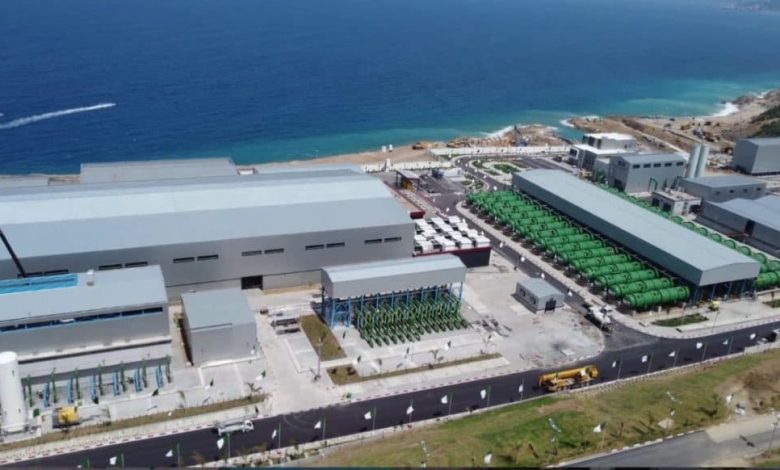
The Algerian government has committed nearly 62 billion Algerian Dinars (DA) to subsidize the price of desalinated water, a move aimed at bolstering the country's water security and ensuring affordable access for its population. Mohamed Arkab, the Minister of Hydrocarbons, announced this allocation as part of the sector's 2027 budget proposal presented to the National People's Assembly's finance and budget commission. This substantial funding represents the majority of the 63 billion DA allocated to the hydrocarbons sector's overall budget for the upcoming year, with the remainder designated for the central administration's operational expenses.
Water security is a stated priority for the Algerian state, and the commitment to desalination is a key component of this strategy. Currently, Algeria operates 19 desalination plants with a combined capacity exceeding 3.8 million cubic meters per day, which covers approximately 42% of the national demand for potable water. Production from these operational facilities saw a 26% increase by the end of September 2026 compared to the same period in the previous year, demonstrating a growing reliance on this vital resource.
Looking ahead, a comprehensive program includes the construction of six new seawater desalination plants slated for completion by 2030. These new installations are projected to add a total capacity of 1.8 million cubic meters per day. Once operational, these strategic additions will significantly increase the proportion of national potable water demand met by desalination to approximately 60%, further solidifying Algeria's efforts to ensure a stable and sustainable water supply for its citizens.