Tebboune Stresses Exporter Duty to Repatriate Foreign Currency
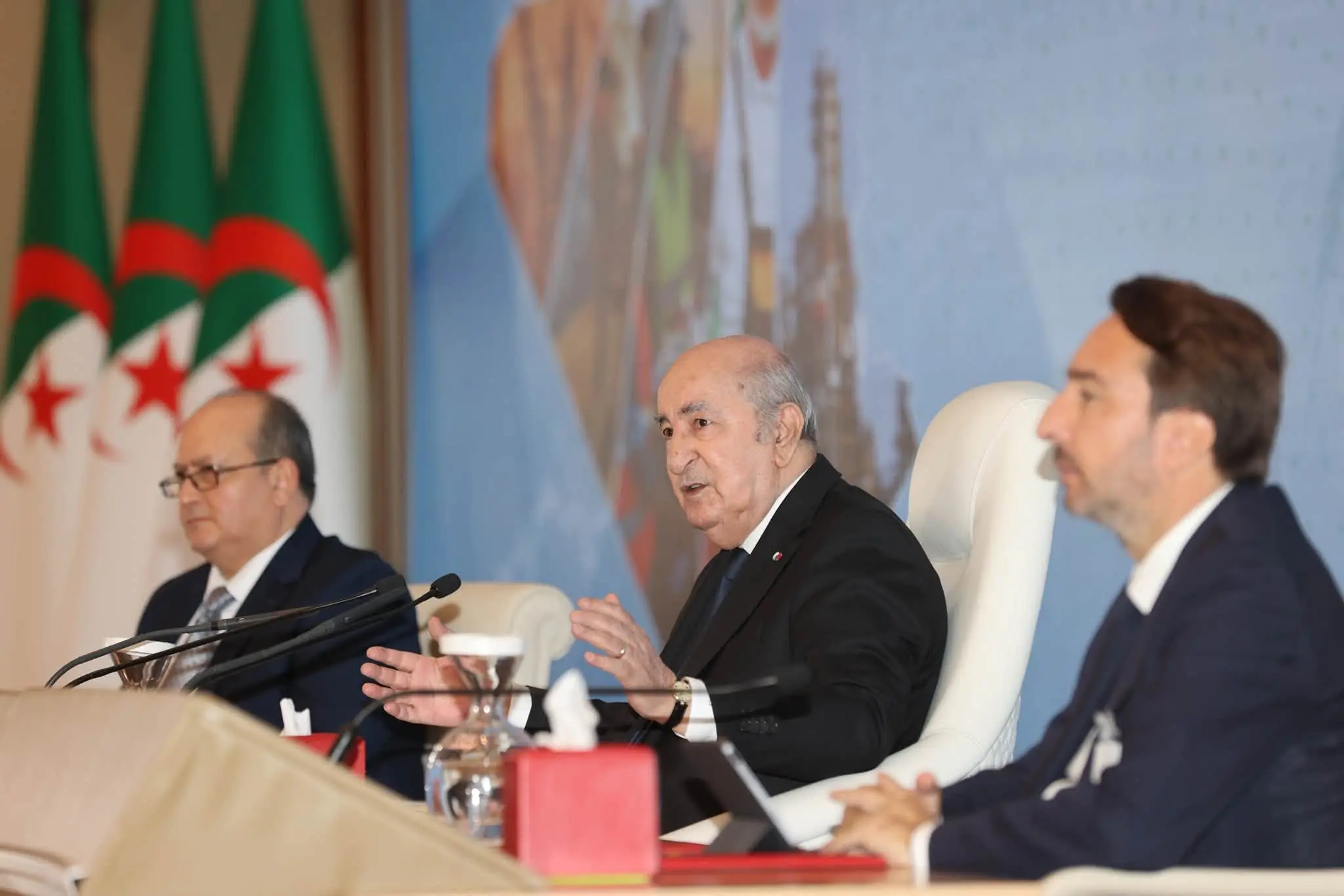
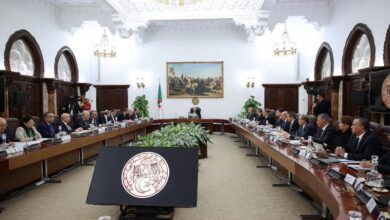
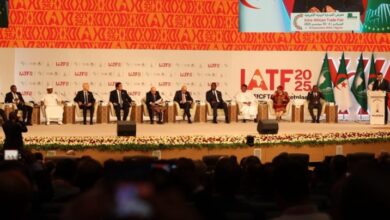
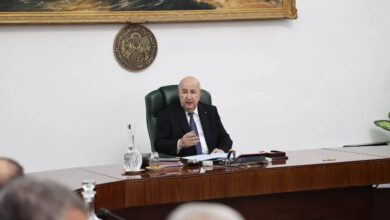
President Abdelmadjid Tebboune has addressed economic operators in Algiers, highlighting a critical need for the repatriation of foreign currency earnings from non-hydrocarbon exports. The President pointed to instances of insufficient returns, noting anomalies, such as in date exports, while clarifying that these practices represent a minority of exporters. This directive underscores the importance of ensuring that foreign exchange generated through international trade effectively re-enters the national economic circuit, thereby contributing to Algeria's financial stability.
President Tebboune emphasized a balanced relationship between state support for exporters and their obligations, stating that if the state aids exporters, they must, in turn, contribute to the state's financial health. He expressed openness to exploring a regulatory mechanism, to be potentially developed by the Prime Minister, that would allow exporters to retain a portion of repatriated foreign currency as a reserve. However, the President firmly reiterated that the essential portion of all export earnings must be repatriated, stressing the need for clear financial accountability and aligning receipts with exported quantities.
This initiative aligns with Algeria's broader strategy to diversify its economy and reduce dependence on hydrocarbon revenues, which are susceptible to global market fluctuations. Non-hydrocarbon exports have seen significant growth in recent years, more than tripling from approximately $2 billion to around $5-6 billion annually. The government aims to achieve $30 billion in non-hydrocarbon exports by 2030, with President Tebboune indicating that reaching $20 billion would signify a major transformation of the national economy. Efforts to support this growth include developing agriculture, processing industries, and mining sectors, along with simplifying export procedures, offering logistical assistance, and promoting economic diplomacy.