EU Officials Review Methane Rule Implementation Timeline
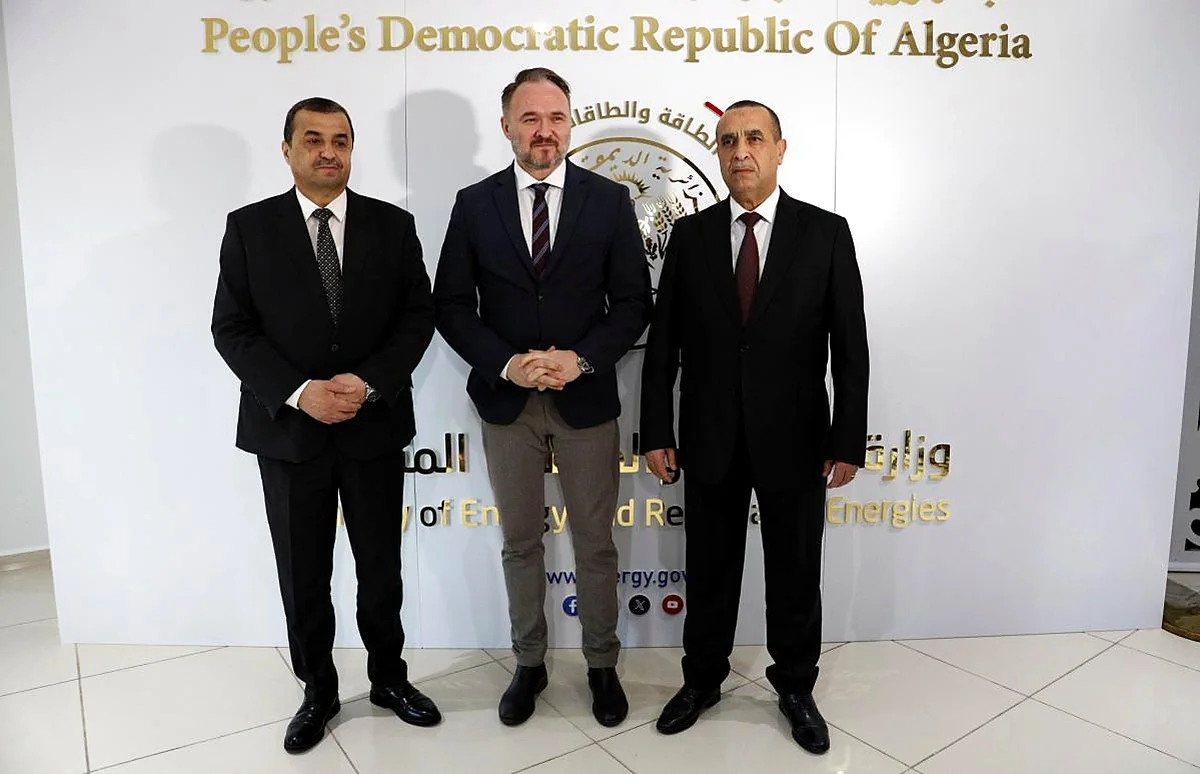
Algeria has initiated a diplomatic effort to secure a temporary adjustment in the European Union's methane emission regulations concerning gas imports. The EU Regulation 2024/1787, which took effect in August 2024, mandates that from January 1, 2027, importers must demonstrate that their purchased gas originates from production governed by methane emission measurement and verification regimes equivalent to those within the Union. This represents a crucial development for Algeria, a significant energy supplier to Europe.
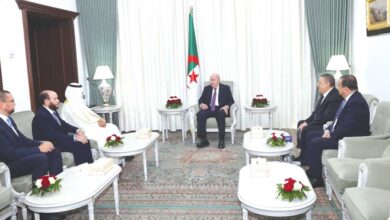
The Algerian Ministry of Hydrocarbons, alongside State Minister Mohamed Arkab, joined forces with key energy ministers from the United States, Qatar, and Nigeria to advocate for a suspension of the regulation's original timeline. Their collective concern, expressed in June, centered on the fact that most supply contracts for 2027 had already been finalized, and international methane measurement protocols were not yet fully operational. The Algerian ministry explicitly clarified that its reservations pertained to the practical modalities and timeline of the regulations, not to their overarching climate objectives. Algeria has become increasingly vital for Europe's energy security, with its share of European pipeline gas imports reaching 18.2% in the second quarter of 2026, positioning it second only to Norway. This importance is further underscored by recent agreements, such as one with Germany's VNG, which anticipates increased Algerian gas deliveries to Germany starting January 1, 2027, precisely when the new obligations are set to commence.
The Algerian initiative has found resonance within the European Union itself. On September 25, European Commissioner Dan Jørgensen indicated he had requested his services to explore a one-year postponement of the import-related aspects of the legislation. This consideration, he noted, aims to provide operators sufficient time to implement the new rules without jeopardizing supply security or affecting prices, especially given current uncertainties in the Strait of Hormuz and projections for a challenging winter. Furthermore, more than a dozen EU member states, including France and Germany, have formally requested either a delay or suspension of the deadline. French President Emmanuel Macron, for instance, wrote to Ursula von der Leyen on September 18, proposing a postponement until January 1, 2028. This growing support highlights widespread recognition of the practical challenges posed by the regulation's initial timeline, reinforcing Algeria's constructive position in the dialogue.
The dialogue between Algeria and the EU on energy matters remains robust, as evidenced by Commissioner Jørgensen's co-chairing of a high-level energy dialogue in Algiers in February with Algerian officials. This ongoing engagement reflects a mutual commitment to balancing climate aspirations with the imperative of stable and secure energy supplies, a balance Algeria is actively working to achieve through its measured and collaborative approach to the methane regulation timeline.